
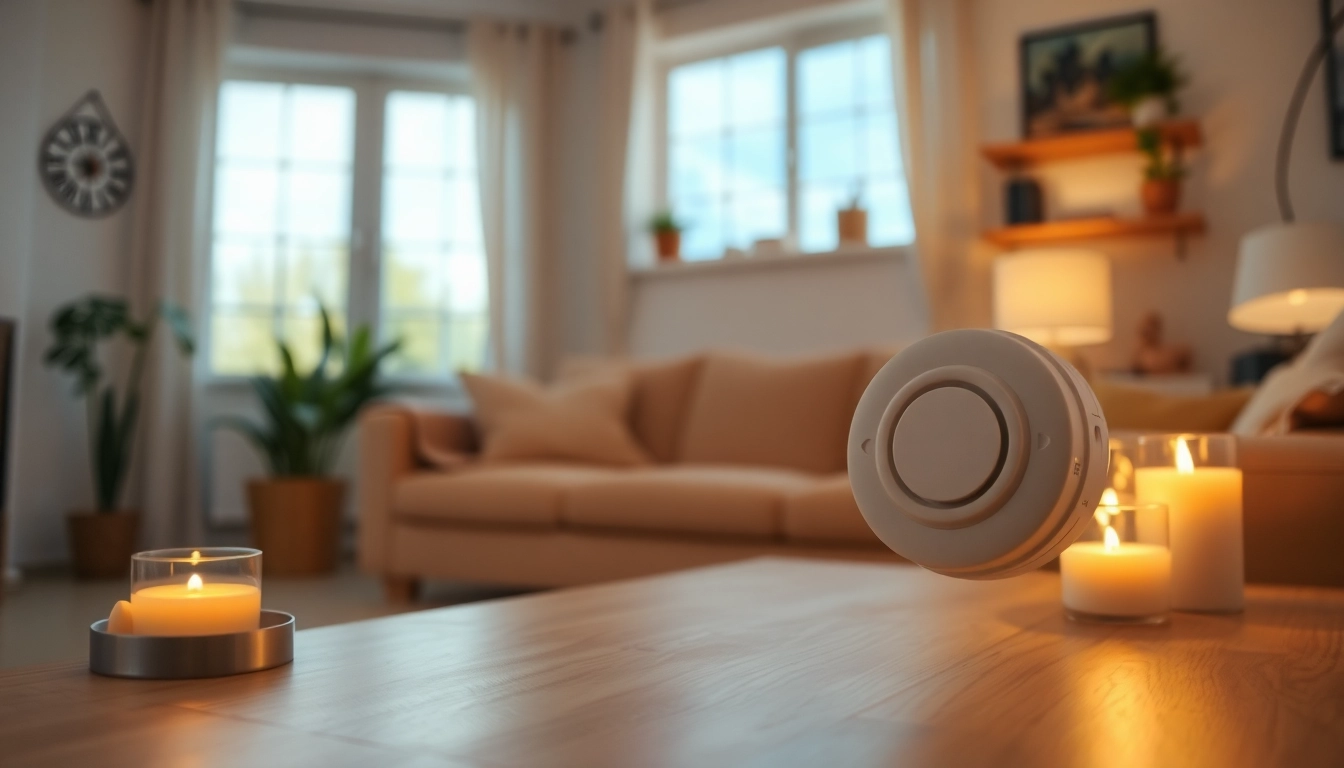
Why Carbon Monoxide Detector Beeping Matters
The sound of a carbon monoxide detector beeping is not just irritating; it signals a potential danger that should not be ignored. Understanding why these detectors beep is crucial for ensuring the safety of you and your loved ones. Carbon monoxide (CO) is a colorless and odorless gas that can lead to severe health issues or even death when inhaled in sufficient quantities. Therefore, recognizing the importance of these alerts is essential for maintaining a safe living environment.
The Dangers of Carbon Monoxide
Carbon monoxide is often referred to as the “silent killer” for good reason. It is produced by fossil fuel combustion, which occurs in various household appliances such as gas heaters, stoves, and fireplaces. When these appliances are functioning correctly and are well-ventilated, they pose minimal risk. However, any malfunction or incomplete combustion can lead to dangerous levels of CO accumulating in your home.
Exposure to carbon monoxide can result in symptoms resembling the flu, including headaches, dizziness, confusion, and even unconsciousness. High levels of CO can be fatal within minutes, making awareness of the gas’s presence paramount in domestic settings. Early detection through reliable systems, such as carbon monoxide detectors, is what keeps homes safe, highlighting the importance of addressing any beeping immediately.
Importance of Timely Response
Timely response to a carbon monoxide alarm is critical for ensuring safety. A beeping detector is a clear warning sign, urging residents to take action immediately. Ignoring these alerts can have dire consequences, especially considering that the gas can build up quickly and silently.
When an alarm sounds, it is vital to evaluate the situation: assess any symptoms of CO poisoning, ventilate the area by opening windows and doors, and evacuate if necessary. Always take these warnings seriously and prioritize your safety and the safety of others.
When to Seek Professional Help
If the carbon monoxide detector continues to beep after you have responded to the alarm and ensured proper ventilation, it is crucial to seek professional help. A certified technician can perform a thorough examination of your home’s fuel-burning appliances, ventilation systems, and carbon monoxide detectors. Regular maintenance and inspections of these components can prevent future incidents and ensure that systems are operating correctly.
Common Causes for Carbon Monoxide Detector Beeping
Understanding the reasons behind a carbon monoxide detector’s beeping can help you discern whether it is an actual emergency or a routine maintenance issue. Various causes can trigger this alarm, each requiring a different response.
Low Battery Alerts
One of the most common causes of a carbon monoxide detector beeping is a low battery alert. Many models are designed to beep at regular intervals when their batteries are running low, signaling the need for a replacement. This alert usually sounds in a chirping pattern, distinct from the continuous alarm signaling a CO presence.
To resolve this, check the battery immediately and replace it as needed. Regularly testing batteries every six months can prevent false alarms that could distract from genuine dangers.
Malfunctioning Units
Sometimes, a carbon monoxide detector may beep due to malfunction or end-of-life indicators. Detectors have a lifespan ranging from five to seven years, depending on the model. After this duration, they become less reliable and begin to emit beeping sounds to inform users that they need replacing.
If you’ve recently replaced the battery and still hear beeping, check the manufacturer’s instructions for troubleshooting. If issues persist, consider replacing the unit with a new one to ensure continued protection against carbon monoxide.
Environmental Factors Impacting Readings
Environmental conditions can also lead to carbon monoxide detector beeping. High humidity, temperature fluctuations, or even nearby exhaust fumes from vehicles can trigger false readings. Similarly, if the detector is located too close to fuel-burning appliances, it may respond erratically to normal operation conditions.
To minimize this, ensure your carbon monoxide detector is installed according to guidelines, typically at least 15 feet away from potential sources of CO. This placement practice can help reduce false alarms and enhance the device’s effectiveness.
How to Troubleshoot Carbon Monoxide Detector Beeping
If you’re faced with a beeping detector, there are several troubleshooting steps you can take before escalating the situation. Understanding how to manage these alerts can save time and potentially prevent unnecessary panic.
Replacing Batteries Effectively
As noted earlier, low battery alerts are a frequent culprit behind beeping alarms. To replace batteries effectively, ensure you have the correct type, usually either 9V or AA batteries, based on your detector’s design. Always check the user’s manual for proper instructions, and remember to dispose of old batteries correctly.
Once replaced, test the unit by pressing the test button to confirm it’s operational. A successful test typically results in the detector producing a loud beep or chirp, indicating it’s functioning correctly.
Testing and Maintenance Tips
Routine checks on your carbon monoxide detectors can prevent emergencies from catching you off-guard. Test the alarms monthly by pushing the test button and ensure that they emit a loud beep. Additionally, it’s wise to vacuum or dust the exterior of the detector every six months to remove debris and enhance functionality.
Consider creating a maintenance schedule to keep track of testing dates, battery changes, and when you’re due for unit replacements. This proactive approach can grant peace of mind and significantly improve household safety.
Understanding Alarm Types and Signals
Different detectors emit varied alarm signals for different scenarios. A continuous alarm generally indicates immediate danger from carbon monoxide, urging evacuation. Alternatively, chirping or beeping could signify low batteries or unit malfunctions.
Educate all household members about these signals. By knowing what each beep means, prompt actions can be taken without hesitation in an emergency, enhancing overall safety.
Steps to Take During an Alarm
Responding quickly and appropriately to a carbon monoxide detector’s alarm can be lifesaving. Here are critical steps to follow if your detector goes off.
Immediate Safety Actions
When your carbon monoxide detector beeps, the first step is to stay calm. Assess for any visible symptoms among those nearby, such as headaches or dizziness, and ensure everyone is accounted for. Open windows and doors to ventilate the space for immediate relief from potential CO exposure.
If anyone exhibits symptoms of CO poisoning, seek fresh air immediately. Keep track of the affected individuals—especially children, elderly, or those with pre-existing health conditions—who may be more vulnerable to the effects of CO.
Evacuation Protocols
If the alarm persists or you suspect carbon monoxide presence, evacuate the building promptly. Ensure all family members are notified and exit together. Know your nearest exit points and have a plan in place for emergencies.
Once outside, do not return until the area has been deemed safe by professionals who can assess carbon monoxide levels and determine the source of the leak.
Contacting Emergency Services
If you suspect dangerous CO levels, it is vital to contact emergency services. They can provide expertise in evaluating the situation and testing for carbon monoxide presence. Always err on the side of caution, as delay could lead to serious health risks.
Preventative Measures for a Safer Home
While understanding how to respond to a carbon monoxide alarm is crucial, prevention is key in ensuring your home remains safe from this hazardous gas. There are several measures you can take to reduce risks effectively.
Regular Maintenance of Detectors
Proactive maintenance includes regularly testing the functionality of carbon monoxide detectors, changing batteries, and replacing units as required. Following the manufacturer’s recommendations for replacement timelines will help guarantee reliable operation throughout the device’s lifespan.
Consider installing interconnected alarms in your home. This system ensures that if one detects CO, all other interconnected units will alert simultaneously, enhancing the chance that all residents will be warned effectively.
Installation Guidelines for Effectiveness
Proper installation of carbon monoxide detectors is essential for functionality. Detectors should be placed in every bedroom, outside sleeping areas, and on each level of the home. Follow specific guidance regarding placement height—some detectors are more effective at different elevations.
Furthermore, avoid installing units near windows, areas where there are exhaust vents, or in high humidity regions such as bathrooms, as this can interfere with their operation.
Educating Family Members on Safety
Ensure that all household members are well-informed about carbon monoxide safety and detector alerts. Conduct fire drills that include scenarios involving carbon monoxide alarms, so everyone knows what steps to follow should an alarm sound.
Promoting knowledge about this silent killer reinforces family safety and preparedness, reducing anxiety and increasing responsiveness in an emergency.
Frequently Asked Questions
What does it mean when my carbon monoxide detector is beeping?
A beeping detector typically indicates the need for immediate attention. This could be a low battery alert or a sign of dangerous levels of carbon monoxide.
How often should I test my carbon monoxide detector?
It’s recommended to test your carbon monoxide detector monthly. Regular testing ensures the unit is operational and able to alert you to potential hazards.
What should I do if my detector continues to beep after changing the battery?
If your detector continues to beep post-battery change, check for signs of malfunction or consider replacing the unit. It may be near the end of its lifecycle.
How can I prevent false alarms from my carbon monoxide detector?
To reduce false alarms, ensure proper installation away from fuel-burning appliances and maintain regular cleaning and testing schedules for optimal functionality.
How often should I replace my carbon monoxide detector?
Replace carbon monoxide detectors every 5 to 7 years, or earlier if the unit indicates malfunction. Check manufacturer guidelines for specific recommendations.