
Understanding Peptides: Foundation and Function
What Are Peptides?
Peptides are short chains of amino acids linked by peptide bonds. They serve as the building blocks for proteins in the body and play a crucial role in various biological functions. Typically consisting of 2 to 50 amino acids, these molecules can influence numerous physiological processes, including hormone regulation, immune response, and cellular signaling. Their varying structures and functions make them an important subject in biochemistry and biotechnology.
How Peptides Work in the Body
Peptides function by interacting with specific receptors in cells, triggering a cascade of responses that influence biological activities. They can act as hormones, signaling molecules, or precursors to larger proteins. Their ability to modulate processes like metabolism, growth, and repair establishes their significance in health and medical research. The interaction between peptides and their receptors can result in various outcomes, including promoting healing, regulating metabolic rates, and enhancing cognitive functions.
The Significance of BPC157+TB500 in Peptide Therapy
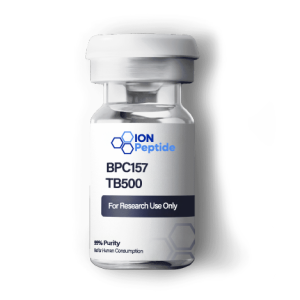
BPC157 and TB500 are two peptides that have garnered attention in the field of regenerative medicine and athletic performance. BPC157+TB500 is a combination known for its healing properties, particularly in tissues and muscle recovery. BPC157 is derived from gastric juice and is known to facilitate wound healing and tissue repair, while TB500, a synthetic version of Thymosin Beta-4, influences cell migration and angiogenesis, aiding in recovery and regeneration. Together, they present a powerful therapeutic approach that harnesses the body’s natural healing mechanisms.
Key Benefits of BPC157+TB500
Enhanced Healing Properties
One of the standout features of BPC157+TB500 is its exceptional healing capability. Research has demonstrated that BPC157 can accelerate the healing of tendons, ligaments, and muscles by promoting angiogenesis—the formation of new blood vessels essential for nutrient supply and oxygen delivery to damaged areas. This peptide’s impact on collagen production further supports tissue regeneration, making it a valuable tool in both clinical and sports settings.
Impact on Muscle Recovery
After intense physical activity, muscle fatigue and micro-tears can occur, requiring substantial time for recovery. BPC157+TB500 has shown promise in expediting this process by enhancing muscle regeneration. Athletes often utilize this peptide combination to improve recovery times and reduce soreness, potentially translating into better overall performance and training efficiency. This capability is particularly important for those engaging in competitive sports, where recovery is key to performance longevity.
Potential Cognitive Enhancements
Beyond physical recovery, the peptides in BPC157+TB500 may also offer cognitive benefits. Research implies that BPC157 might have neuroprotective effects, enhancing brain function and safeguarding against neurodegenerative diseases. By supporting blood flow and reducing inflammation in neural tissues, these peptides may aid cognitive clarity, focus, and memory retention. Though still an emerging area of study, the implications of these findings underscore the versatile benefits of peptide therapy.
Research Insights: Current Studies on BPC157+TB500
Recent Clinical Trials and Findings
Current research surrounding BPC157+TB500 suggests a multitude of potential applications within therapeutic domains. Clinical trials indicate that subjects using this peptide combination reported enhanced recovery times, reduced pain, and improved function post-injury. Observations have highlighted its effectiveness in both acute injuries and chronic conditions, advocating for its integration into standard treatment protocols, especially in sports medicine and rehabilitation practices.
Comparative Studies with Other Peptides
Comparative studies have examined the efficacy of BPC157+TB500 against other well-known peptides, such as IGF-1 and GH. While IGF-1 is recognized for its anabolic properties, BPC157+TB500 presents a distinct advantage through its multifunctional healing properties that not only promote recovery but also minimize inflammation and enhance vascular health. This holistic approach makes the combination particularly appealing to both healthcare professionals and patients.
Future Directions in Peptide Research
The evolving landscape of peptide research holds promise for further elucidation of BPC157+TB500’s mechanisms and applications. Future studies aim to explore its effects in various contexts, including surgical recovery, chronic pain management, and nerve regeneration. As the medical community continues to delve into the nuances of peptide therapy, BPC157+TB500 stands at the forefront, representing a progressive step towards personalized medicine and enhanced healing potential.
How to Incorporate BPC157+TB500 in Your Routine
Best Practices for Administration
Incorporating BPC157+TB500 into your routine requires careful consideration of administration methods. The peptide combination is typically delivered via subcutaneous injections, allowing for direct entry into the bloodstream. Proper training from a healthcare professional is crucial to ensure safety, effectiveness, and hygiene during administration. Following recommended protocols will maximize the potential benefits while minimizing any associated risks.
Dosage Guidelines Based on Research
Dosage of BPC157+TB500 can vary depending on the individual’s health status, treatment goals, and professional recommendations. Studies indicate that a common regimen could involve 200-600 mcg administered daily, particularly during acute recovery phases. Understanding the importance of individual response to these peptides is essential, and ongoing monitoring can help adjust dosages as needed over time.
Potential Risks and Precautions
While BPC157+TB500 is generally regarded as safe, certain precautions are advisable. Potential side effects may include localized irritation at the injection site and mild headaches, though these are typically transient. It is essential to consult a healthcare provider before beginning peptide therapy to discuss existing health conditions and other medications. Being informed about potential interactions will enhance safety and effectiveness.
Frequently Asked Questions
What is BPC157+TB500 used for?
This peptide combination is often researched for healing injuries, improving muscle recovery, and enhancing cognitive function.
Are there any side effects of BPC157+TB500?
While generally considered safe, potential side effects may include minor irritation at the injection site and headaches. Always consult a healthcare provider.
How do I take BPC157+TB500?
BPC157+TB500 can be administered through subcutaneous injection. Proper guidance from a medical professional is recommended.
Can BPC157+TB500 enhance athletic performance?
Research suggests potential benefits in muscle recovery and healing, which may indirectly support athletic performance improvement.
Is BPC157+TB500 legal to use?
The legal status varies by country and use case, so check local regulations and consult rules regarding substance use in sports.