
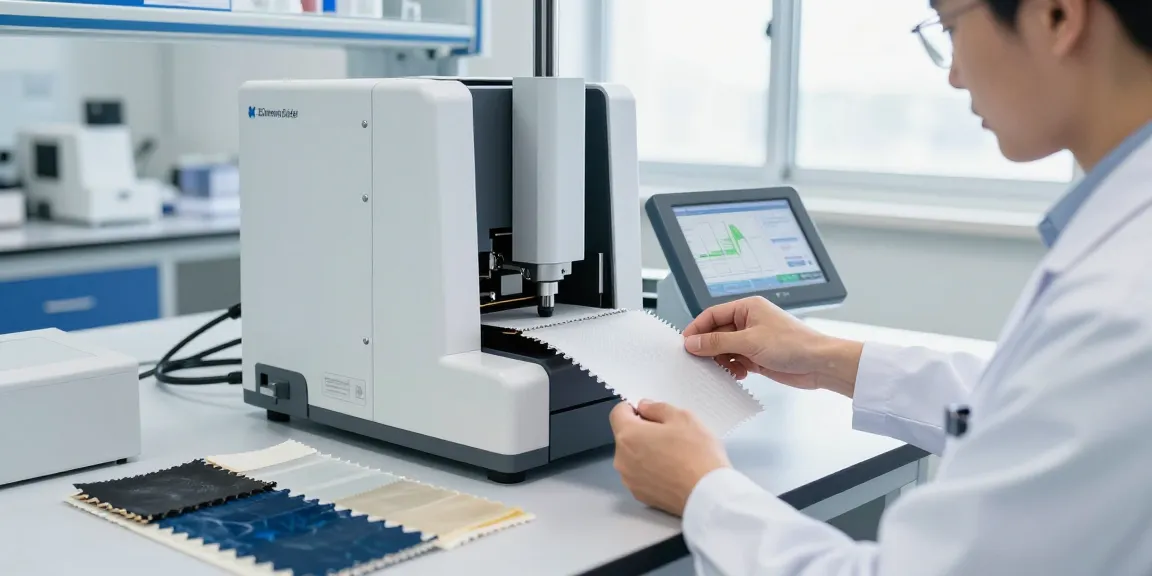
Understanding the Elmendorf Tear Tester
The Elmendorf Tear Tester is an essential instrument for measuring the tearing strength of various materials, including fabrics, plastic films, and thick papers. This precise testing device evaluates the force required to propagate a tear using a method based on pendulum mechanics. As industries become increasingly focused on quality and durability, understanding how this device works is vital for manufacturers and quality control professionals alike. When exploring options, elmendorf tear tester price is a significant factor that can influence purchasing decisions.
What is the Elmendorf Tear Tester?
The Elmendorf Tear Tester, often referred to as the tearing strength tester, is specifically designed to quantify the tearing resistance of a variety of materials. Its primary application lies in the textile industry, where it plays a crucial role in ensuring the quality of fabrics used in clothing and upholstery. The Elmendorf test is recognized for its accuracy and reliability, making it indispensable for laboratories dedicated to material testing.
How the Elmendorf Test Works
This tester operates by utilizing a pendulum falling from a predetermined height to tear the sample material. The process begins by clamping the fabric specimen securely between a fixed clamp and a dynamic clamp. An operator then creates a notch in the specimen, after which the pendulum is released to swing downwards. The energy lost by the pendulum during the tearing process is measured, which corresponds to the force required to propagate the tear in the material.
Key Applications in Textile and Material Testing
The Elmendorf Tear Tester finds its primary applications in various sectors, including:
- Textile Industry: To measure the tear strength of fabrics before they are cut and sewn into garments.
- Packaging: For testing the durability of packaging materials against tearing, crucial for maintaining product integrity during transport.
- Paper Manufacturing: To assess the tear resistance of different grades of paper used in products that require durability.
Elmendorf Tear Tester Price Breakdown
Understanding the pricing structure for Elmendorf Tear Testers is essential for laboratories and manufacturing firms looking to invest in reliable testing equipment. The prices can vary widely based on the model, features, and technology used.
Current Market Prices for Different Models
Typically, the prices for Elmendorf Tear Testers range from several hundred to several thousand dollars, depending on their capabilities. For instance, manual versions may start around $600, while fully automated models can exceed $3,500. It’s crucial for potential buyers to consider both initial pricing and long-term value when evaluating their options.
Factors Influencing Elmendorf Tear Tester Prices
Several key factors affect the price of Elmendorf Tear Testers, including:
- Technology: Automated testers cost more due to advanced features like IoT connectivity and precise measurement systems.
- Brand Reputation: Well-known brands often command higher prices due to perceived reliability and service support.
- Compliance Standards: Models that meet international testing standards (like ASTM and ISO) may also be priced higher due to their enhanced credibility.
Comparative Price Analysis: ElmenGuide vs Traditional Models
When comparing the ElmenGuide Elmendorf Tear Tester against traditional models, the difference in price is often justified by the advanced features of the ElmenGuide. While traditional models might offer basic functionality, the ElmenGuide integrates automation and accuracy, providing long-term cost savings through increased efficiency and reduced error rates.
Importance of Accuracy and Compliance
In the testing of materials, precision is non-negotiable. The Elmendorf Tear Tester exemplifies this by adhering to strict international testing standards, ensuring that the data produced is both reliable and applicable across various industries.
Measurement Accuracy of the Elmendorf Tear Tester
The ElmenGuide is engineered for precision, with an accuracy of ±0.2% across its full measuring range. This high level of accuracy is essential for applications where even minor variances in tear strength can lead to significant consequences for material performance and safety standards.
Compliance with International Testing Standards
Adhering to standards like ASTM D 1424 and ISO 13937-1, the Elmendorf Tear Tester ensures that its results are globally recognized. Compliance facilitates seamless integration into quality assurance protocols across different regions, enhancing the credibility of the testing processes.
Case Studies Highlighting Accuracy Benefits
Numerous case studies demonstrate how precision in testing can lead to improved product quality. For example, a textile manufacturer found that incorporating the Elmendorf Tear Tester significantly reduced returns attributed to fabric failure, showcasing how accuracy translates to better consumer satisfaction.
Automation and User Experience
Automation within testing devices represents a significant advancement in efficiency. Automated testers like the ElmenGuide streamline the testing process, minimizing human involvement and potential errors.
How Automation Enhances Testing Efficiency
The ElmenGuide features a fully automated system that can recognize sample weight and adjust settings accordingly, reducing manual input and enhancing testing throughput. This level of automation not only saves time but also ensures more consistent results across multiple tests.
User-Friendly Design Features of the ElmenGuide
Ergonomically designed for ease of use, the ElmenGuide Elmendorf Tear Tester incorporates intuitive controls and safety features. A dual-button activation mechanism keeps the operator at a safe distance from the moving pendulum, minimizing injury risks.
Real-World Examples of Enhanced User Experience
A customer reported that training new staff on the ElmenGuide was straightforward due to its intuitive interface, resulting in reduced onboarding time and faster adaptation to quality control protocols. This user-friendly aspect makes it a compelling option for laboratories with high turnover rates in staff.
Future Trends and Innovations in Tear Testing
The landscape of material testing is evolving rapidly, with technology paving the way for innovations that promise improved accuracy and efficiency.
Emerging Technologies in Fabric Testing Equipment
Future testing devices will likely incorporate AI and machine learning to analyze results, predict failures, and suggest optimal testing conditions. The integration of these technologies can transform traditional testing into a more predictive and proactive approach.
Predicted Price Trends for 2026 and Beyond
As technology advances, the price trends for Elmendorf Tear Testers may also shift. We can expect the initial costs of advanced models to decrease as manufacturing techniques improve, while the demand for high-accuracy automated testers will continue to rise.
Expert Insights on the Future of Tear Testing
Industry experts anticipate a focus on sustainability in testing practices. This may involve developing eco-friendly materials that require rigorous testing, thereby enhancing the role of automated testing solutions in ensuring product integrity.
What Are the Benefits of Investing in Advanced Testing?
Investing in advanced testing solutions not only enhances product quality but also streamlines compliance with safety regulations, reducing the risk of potential liabilities. With improved accuracy and automation, companies can boost operational efficiency while meeting consumer and industry expectations.