
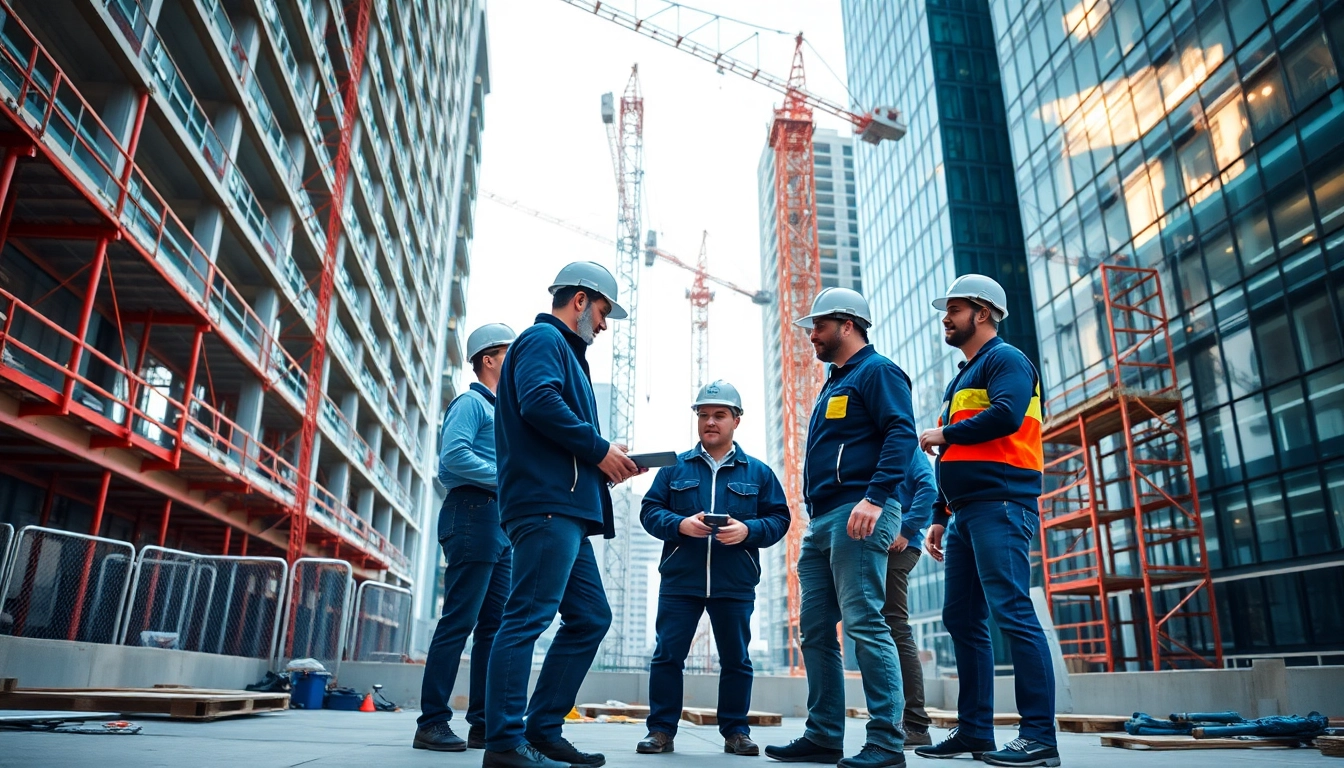
Understanding the Role of a Construction Association
What Is a Construction Association?
A construction association is a professional body representing individuals, companies, and organizations involved in the construction industry. These associations provide a range of services that foster communication, education, and collaboration among members. They act as a hub for sharing resources, industry best practices, and advocacy efforts, enhancing the overall landscape of the construction sector. Through their efforts, construction associations aim to improve standards, promote safety, and offer essential support systems to members, thus bolstering the industry as a whole. For more about this essential resource in the construction field, consider consulting a comprehensive construction association.
Benefits of Joining a Construction Association
Membership in a construction association offers numerous advantages that can directly influence the growth and success of professionals and companies within the industry. Here are some of the primary benefits:
- Access to Industry Resources: Members gain access to exclusive publications, research, and statistical data that can inform their decision-making and strategic planning.
- Networking Opportunities: Construction associations host events, seminars, and workshops that allow members to connect and collaborate with other professionals and stakeholders in the industry.
- Training and Professional Development: Many associations offer training sessions and certification programs that help members enhance their skills and qualifications.
- Representation and Advocacy: Associations represent the interests of members at local, state, and national levels, advocating for policies that benefit the construction industry.
- Business Development Support: Members often receive access to business leads, referral networks, and other tools that can help grow their businesses.
Types of Construction Associations
Construction associations can be classified into various categories, depending on their focus areas:
- Trade Associations: These focus on specific sectors of the construction industry, such as electrical work, plumbing, or general contracting.
- Professional Associations: This category includes organizations that cater to specific professions within construction, including architects, engineers, and project managers.
- Regional Associations: Local chapters or regional groups represent members based on geography, focusing on localized issues and networking opportunities.
- Special Interest Groups: These associations concentrate on niche areas, such as green building practices, safety standards, or workforce development.
Membership Services Offered by Construction Associations
Training and Certification Programs
To remain competitive in today’s rapidly evolving construction landscape, continuous education is crucial. Construction associations provide training and certification programs that cover a wide array of topics, including project management, safety regulations, and emerging technologies. These programs often align with industry standards and can significantly enhance a professional’s credentials, making them more marketable. Certification from a recognized association can also reflect a commitment to excellence, which can be pivotal in attracting clients.
Networking Opportunities
Networking is one of the most potent benefits of joining a construction association. Through seminars, conferences, and online forums, members have the opportunity to connect with peers, potential clients, and industry leaders. These connections can lead to partnerships, collaborations, and new business opportunities. Many associations also maintain online platforms that facilitate ongoing interactions and support among members, streamlining communication and collaboration.
Advocacy and Representation
Construction associations play a crucial role in advocating for the interests of their members. They engage in lobbying efforts to influence policy decisions that affect the industry, ensuring that the voice of construction professionals is heard. By representing members’ interests at various government levels, associations can help secure favorable regulations, funding opportunities, and resources that benefit the entire construction ecosystem.
Challenges Facing Members of Construction Associations
Industry Regulation Compliance
The construction industry is heavily regulated, and compliance is essential for the safety and legality of operations. Members of construction associations often face challenges in understanding the complex web of regulations that govern their activities. Associations frequently conduct training and provide resources that help members navigate these regulations effectively. However, the constant evolution of laws and standards necessitates ongoing vigilance and education.
Funding and Financial Concerns
Financial stability is a concern for many individuals and companies in the construction sector. Membership dues, training costs, and operational expenses can add up, particularly for small or independent contractors. Construction associations often provide guidance on financial management, access to funding resources, and cost-saving strategies to help members maintain financial health. By pooling resources, members may also discover opportunities for shared services that can drive costs down.
Staying Updated with Industry Trends
In an industry characterized by rapid changes in technology, methods, and regulations, keeping up with current trends can be challenging. Construction associations frequently offer continuing education opportunities, newsletters, and access to research materials, enabling members to stay informed about the latest developments. They also leverage industry surveys and reports that provide insights into market trends, allowing members to adapt their strategies and remain competitive.
Best Practices for Engaging With a Construction Association
Active Participation in Events
To maximize the benefits of belonging to a construction association, members should actively engage in events, including conferences, workshops, and networking sessions. Active participation not only enhances personal knowledge but also raises visibility within the community. By sharing insights and experiences during discussions, members can contribute to the collective knowledge of the association, while also learning from others’ expertise.
Utilizing Resources Effectively
Construction associations provide a wealth of resources that can be highly beneficial to members. It’s essential to take full advantage of these offerings, whether through online platforms, mentorship programs, or research publications. Regularly consulting the association’s website for updates and new resources can ensure that members are equipped with the knowledge and tools necessary for success. Setting aside time for professional development using these resources can also foster growth.
Collaboration with Other Members
Collaborative efforts often yield the best results in the construction industry. Members should actively seek opportunities to team up with other association members on projects, research initiatives, or advocacy campaigns. Building partnerships can expand service offerings, enhance capabilities, and provide exposure to new clients or markets. Additionally, collaborating with diverse professionals can lead to innovative solutions and approaches to common challenges in construction.
FAQs About Construction Associations
What are the advantages of joining a construction association?
Joining a construction association provides access to industry resources, networking opportunities, training programs, and advocacy efforts that can enhance a member’s professional journey and business prospects.
How can I find a local construction association?
To find a local construction association, you can search online or inquire at local trade schools, colleges, and industry events. Many larger associations have regional chapters to assist members.
Are there costs associated with membership?
Yes, most construction associations charge membership dues, which can vary based on factors like organization size and membership type. Additional costs may apply for specific programs or events.
What training programs do construction associations offer?
Construction associations often offer training programs in areas such as safety protocols, project management, and specialized industry skills. Many of these programs lead to certification and recognition.
How do construction associations support industry advocacy?
Construction associations advocate for their members by lobbying for favorable policies, engaging in public discussions about industry issues, and providing a platform for members to voice their concerns to decision-makers.