
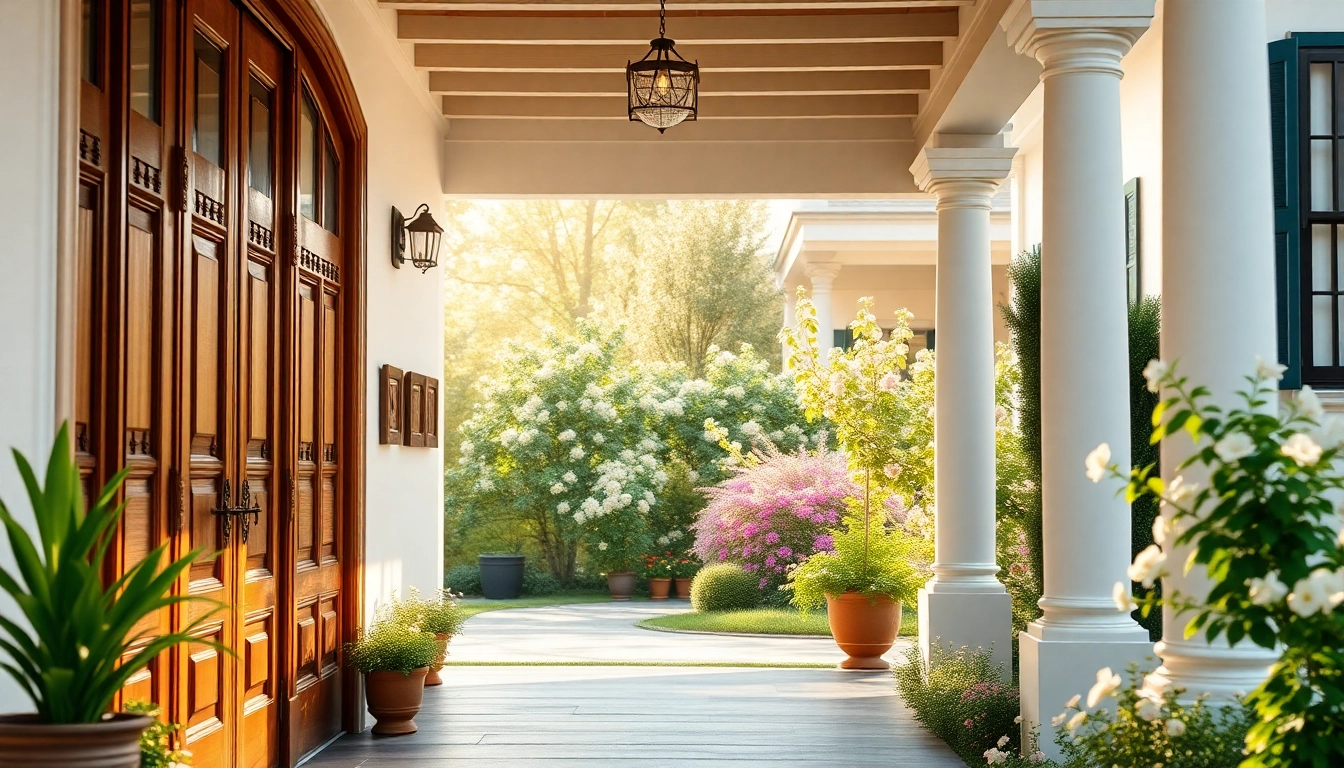
Understanding Colonial Home Renovation
What Defines a Colonial Home?
Colonial homes are often characterized by their symmetrical design, central front door, and typically two or more stories. Originating during the early colonial period in America, they reflect various architectural styles, including Georgian, Dutch, and Federal. A classic example of a Colonial home will have a rectangular shape with a steep roof and evenly spaced windows, creating a balanced aesthetic. When engaging in colonial home renovation, it’s crucial to understand these defining traits to maintain authenticity while introducing modern comforts.
Key Features of Colonial Architecture
Understanding the architectural features of Colonial homes can greatly influence your renovation strategy. Essential characteristics include:
- Symmetry: Most Colonial homes exhibit a balanced arrangement of windows and doors, often with the main entry positioned centrally.
- Roof styles: Gabled roofs are prevalent, ranging from steep pitches to flatter slopes that echo regional climates.
- Materials: Traditional materials often included wood siding, brick, and panels that add durability and charm.
- Colonial windows: Multi-paned, double-hung windows are key to preserving the period’s authenticity.
- Decorative elements: Use of pilasters, cornices, and dormers is common, enhancing the historical appeal.
The Importance of Historical Preservation
Preserving historical integrity in Colonial home renovations is significant not only for aesthetic reasons but also for cultural heritage. The Colonial style represents a rich history and embodies the story of America’s origins. Engaging with local historical societies can provide valuable insights into best practices for preservation. Furthermore, using historically accurate materials and techniques will ensure that renovations respect the original architecture while enhancing overall property value.
Planning Your Colonial Home Renovation
Setting a Realistic Budget
Creating a budget for your Colonial home renovation involves identifying the scope and scale of your project. Factors to consider include existing structural conditions, architectural features worth preserving, and your design aspirations. Begin by getting quotes from contractors experienced in historic renovations, as their insights can help set a range for budgeting. Don’t forget to allocate funds for unexpected issues that may arise during the renovation process.
Design Considerations for Renovations
When designing your renovation, it’s essential to balance respect for the home’s historical context with functional modernity. Consider the following:
- Interior layout: While open-concept designs are popular today, Colonial architecture typically favors segmented rooms. Integrating modern needs with traditional designs can be achieved by creating open spaces in existing layouts without losing the home’s essence.
- Natural Light: Enhancing natural light through window arrangements must consider the historical context. Thoughtful placement of mirrors and lighter finishes can also promote brightness without altering the exterior appearance.
- Color palettes: Authentic color schemes are muted and earth-toned, aligning with paints that were historically available. Do your research on period-appropriate colors to maintain authenticity.
Choosing the Right Materials
The selection of materials plays a crucial role in achieving an authentic Colonial home renovation. Materials should mimic the original design while providing modern efficiency. Common materials include:
- Wood: Reclaimed wood beams, planks, and trim utilized in renovations offer both authenticity and sustainability.
- Brick: If your home originally featured brick; use it for external facades or interior walls for a cohesive look.
- Plywood and drywall: On the interior, ensure that modern materials harmonize with older aesthetics.
Implementing Structural Changes
Modernizing Kitchen and Living Spaces
The kitchen is often viewed as the heart of the home, and renovations can greatly enhance its function while respecting the Colonial style. Opt for cabinetry that reflects traditional designs and incorporate modern appliances subtly integrated into the overall aesthetic. Open up the space without compromising historical significance by using half-walls or arched entries to connect to living areas, ensuring a comfortable flow while maintaining distinct areas.
Restoring Original Architectural Elements
Many Colonial homes feature exquisite original elements like crown molding, fireplaces, and built-ins. Restoration of these elements often yields the highest return on investment. Carefully refinishing existing woodwork or replicating lost details with expert craftsmanship can invigorate the home’s period charm. Take the time to research historical techniques to ensure faithful restoration.
Adding Extensions that Blend Seamlessly
When considering an extension to a Colonial home, the vision should be to create a seamless transition between old and new. The style of the addition should harmonize with existing architecture, using similar materials and design lines. Consider a sunroom or a family room that incorporates large windows, providing a modern twist while preserving the historical outline of the structure.
Landscaping and External Enhancements
Creating Inviting Outdoor Spaces
Outdoor spaces add considerable value and usability to a home. For Colonial homes, traditional landscaping should include well-defined garden beds with established perennials and seasonal blooms. Creating pathways to defined courtyards or terraces provides functionality while keeping with the historical context. An inviting porch or patio adorned with period-appropriate furniture can enhance curb appeal and personal enjoyment.
Maintaining Historical Integrity in Landscaping
Landscaping should reflect the home’s historical character. Honor the architectural style by choosing native plants, organic garden designs, and period-appropriate hardscaping materials. A landscaped area that complements the home’s features creates visual harmony, supporting both the property’s aesthetic and its value.
Choosing Suitable Exterior Colors
The exterior color palette should reflect the home’s period while being mindful of current aesthetic trends. Historical shades typically include muted tones such as sage green, deep red, slate blue, and classic whites. Preserving these elements not only respects the legacy of the Colonial style but can also elevates the home’s market desirability.
Measuring Success in Your Renovation
Key Performance Indicators to Track
To evaluate the success of your Colonial home renovation, establish clear key performance indicators (KPIs). These may include budget adherence, timelines, and quality of finishes. Ensure you perform regular assessments during the renovation process to confirm that the project aligns with your original goals and values. Tracking these KPIs will aid in making iterative decisions that enhance the renovation’s outcome.
Gathering Feedback from Family and Friends
Engaging with family and friends can provide fresh perspectives on your renovation. Regularly invite feedback, especially after major completion milestones. Their observations can help identify areas needing adjustments while fostering inputs that may have been overlooked. This collaborative approach can fine-tune the renovation process, ensuring the end result resonates with those who matter most.
Long-term Maintenance Tips
Post-renovation, maintaining the home is essential for preserving both functionality and historical integrity. Regular inspections on structural elements, roof conditions, and plumbing can preempt costly repairs. Develop a seasonal maintenance checklist that addresses landscaping, painting, and inspections of historical features to safeguard your investment and keep the home’s charm intact.
Frequently Asked Questions
What is the average cost of a Colonial home renovation?
The average cost varies depending on the scope of renovations, but prices typically range from $100 to $300 per square foot. Detailed budgeting is essential.
How can I find historically accurate materials for my renovation?
Research local suppliers and specialty shops that focus on vintage and reclaimed materials. Online marketplaces may also offer relevant options.
Are there grants available for historic home renovations?
Yes, many local and state governments offer grants and tax incentives for the restoration of historical properties. Check with local historical societies.
Can I modernize my Colonial home without losing its character?
Yes, modernizing can be done thoughtfully by maintaining original aesthetics while improving efficiency, such as upgrading insulation and electrical systems discreetly.
Is it advisable to hire professionals for Colonial home renovations?
Hiring experienced professionals is highly advisable to ensure that renovations respect historical features and follow local codes. Their expertise can save time and resources.