Understanding Air Conditioning Repair Tampa Needs
Living in Tampa, Florida, means enduring long, hot summers, making a reliable air conditioning system essential. Whether it’s a small home unit or a large commercial system, occasional repairs can be necessary to maintain optimal performance. Knowing when repairs are needed, understanding common issues, and having a proactive maintenance plan can help keep your AC running smoothly. For comprehensive assistance with your AC needs, consider exploring Air Conditioning Repair Tampa to ensure you’re well-prepared for any challenges that arise.
Common Issues with Air Conditioning Systems
Air conditioning systems can face various problems, particularly in regions like Tampa, where the demand for cooling is high. Understanding these common issues can help homeowners act promptly. Some prevalent problems include:
- Refrigerant Leaks: Low refrigerant levels can lead to inadequate cooling and increased energy consumption.
- Electrical Failures: Faulty wiring or tripped breakers may stop the system from turning on altogether.
- Blocked Filters: Dirty filters can restrict airflow, forcing the unit to work harder and increasing energy bills.
- Thermostat Problems: Malfunctioning thermostats can lead to temperature inconsistencies and overall system inefficiency.
- Compressor Issues: The compressor is crucial for cooling. If it fails, the whole system may cease functioning.
Indicators That You Need Repairs
Recognizing the signs that your air conditioning system requires attention is vital for maintaining comfort and efficiency. Here are indicators that you should schedule a repair:
- Inconsistent Cooling: If some rooms are cooler than others, your AC may have underlying issues.
- Strange Noises: Unusual sounds, such as grinding or squealing, can indicate mechanical problems.
- Unpleasant Odors: A musty or burning smell can suggest mold growth or electrical issues.
- Increased Humidity Levels: If the AC is struggling to filter moisture, it may be time for repairs.
- High Energy Bills: A sudden spike in energy costs may mean your unit is overworking due to inefficiencies.
Seasonal Maintenance Significance
Regular maintenance is crucial to ensure your air conditioning system works efficiently throughout the year. Seasonal check-ups not only prolong the lifespan of the unit but also enhance its performance and efficiency. Benefits of seasonal maintenance include:
- Improved Energy Efficiency: Well-maintained systems run more efficiently, saving you money on energy bills.
- Lower Repair Costs: Proactively fixing small issues can prevent more significant problems and expenses down the line.
- Better Air Quality: Clean filters and ducts help maintain healthier indoor air.
- Extended System Lifespan: Routine maintenance can significantly extend the life of your air conditioning unit.
Step-by-Step Air Conditioning Repair Process
Diagnosing AC Issues
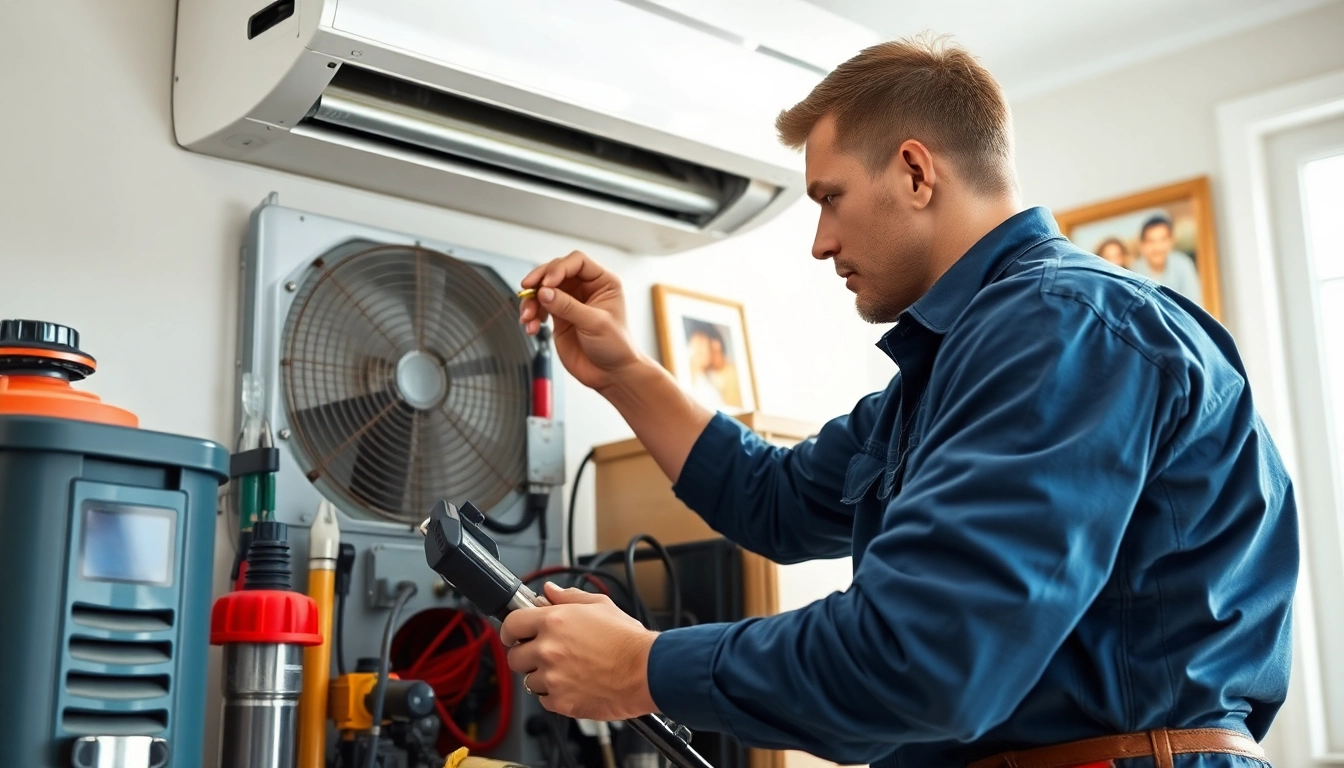
Diagnosing the root cause of an AC issue is the first step in the repair process. A technician typically follows these steps:
- Initial Inspection: Look for obvious signs of damage or wear, such as leaks or dirt accumulation.
- Checking Electrical Components: Inspect wiring, fuses, and circuit breakers for malfunctions.
- Refrigerant Evaluation: Measure refrigerant levels to determine if there are any leaks.
- Airflow Assessment: Ensure there is proper airflow throughout the system.
Essential Tools for Air Conditioning Repair
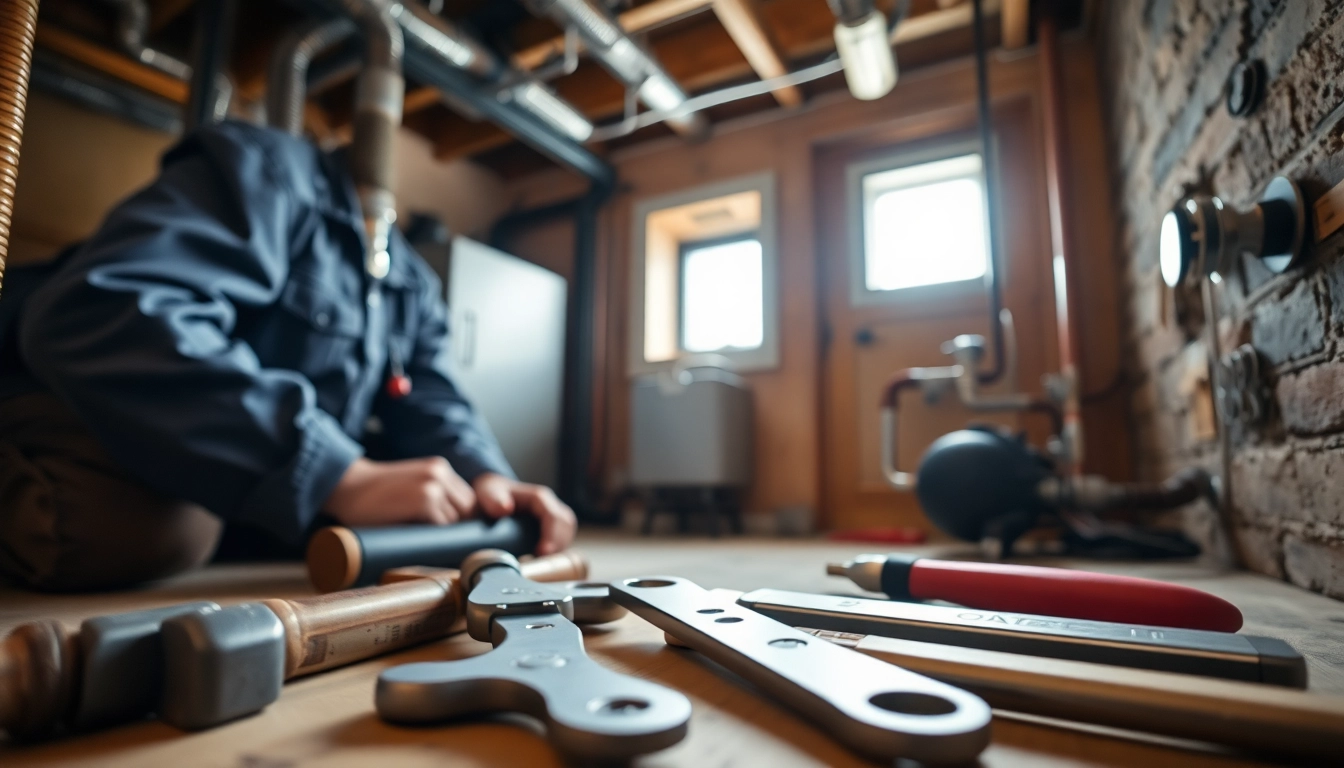
A professional air conditioning technician requires specific tools to perform repairs effectively. Key tools include:
- Refrigerant Gauges: To check refrigerant levels and identify leaks.
- Multimeter: Useful for testing electrical components.
- Vacuum Pump: Helps in removing air and moisture from the system.
- Pliers and Wrenches: Essential for tightening and loosening various fittings.
- Cleaning Tools: Brushes and hose attachments for maintaining clean coils and filters.
Safety Protocols During Repair
Safety is paramount during any repair process. Technicians must adhere to strict safety protocols, such as:
- Power Safety: Always disconnect the power supply before starting any repairs.
- Protective Gear: Wearing gloves and goggles can prevent injuries from sharp parts or harmful substances.
- Proper Ventilation: Ensuring adequate airflow is crucial, especially when handling refrigerants or cleaning agents.
- Knowledge of Emergency Procedures: Being familiar with emergency protocols in the event of an accident or hazardous situation.
Choosing the Right Technician for Air Conditioning Repair Tampa
What to Look for in a Qualified Technician
Selecting the right technician for air conditioning repair is crucial for ensuring quality service. Consider the following factors when making your choice:
- Licensing and Certification: Ensure the technician has the proper licenses and certifications required in Florida.
- Experience Level: Look for a technician with substantial experience in air conditioning repairs.
- Insurance Coverage: Verify that the technician carries insurance for liability and workers’ compensation.
Evaluating Customer Reviews and Testimonials
Customer feedback can provide insight into a technician’s quality of work. Take the time to:
- Read Online Reviews: Check review platforms to gauge customer satisfaction and experiences.
- Ask for References: Request references from previous clients to understand their level of service.
- Look for Complaints: Assess how the technician handles complaints and resolves issues.
Asking the Right Questions Before Hiring
Before hiring an air conditioning repair technician, be prepared with questions that can help you make an informed decision. Useful questions include:
- What is your process for diagnosing AC issues?
- Can you provide an estimate before starting work?
- What warranties or guarantees do you offer on repairs?
- Do you have experience with my specific AC model?
- What is your response time for emergency repairs?
Cost Factors for Air Conditioning Repair Tampa Services
Understanding the Breakdown of Repair Costs
Understanding the various elements that influence AC repair costs can help homeowners budget effectively. Key cost factors include:
- Type of Repair: The complexity of the repair task directly impacts costs.
- Parts and Labor: Labor rates in your area and the cost of replacement parts can vary significantly.
- System Age: Older models may require more extensive repairs and higher costs as parts become scarce.
Cost-Saving Tips for Homeowners
Homeowners can implement several strategies to save on air conditioning repair costs, such as:
- Regular Maintenance: Schedule annual check-ups to spot issues before they escalate.
- Invest in Energy Efficient Models: If you replace your system, consider energy-efficient models to save on ongoing costs.
- Check for Rebates: Look for local utility company rebates for energy-efficient repairs or replacements.
When to Choose Replacement Over Repair
Sometimes, opting for a replacement unit may be more cost-effective than continuous repairs. Consider replacement if:
- Repair estimates exceed half the cost of a new unit.
- Your unit is over 15 years old and requires frequent repairs.
- It’s no longer energy-efficient, resulting in high bills.
Preventive Measures to Extend the Life of Your AC
Regular Maintenance Tips and Best Practices
To maximize the lifespan of your air conditioning system, adhere to these best practices:
- Change Filters Monthly: Clean or replace the air filter to maintain optimal airflow.
- Keep Outdoor Units Clear: Remove debris, leaves, and dirt from around your outdoor unit.
- Check the Condensate Drain: Ensure that the drain is clear to prevent water damage and mold growth.
Signs It’s Time for an Upgrade
Recognizing when it’s time to upgrade your AC system can save you money and energy. Signs include:
- Frequent repairs that reduce efficiency.
- Inconsistent cooling throughout your home.
- Serious increases in energy bills despite no changes in usage.
How Energy Efficiency Affects Performance
Investing in energy-efficient AC systems can massively impact performance and cost savings. Look for units with an appropriate SEER (Seasonal Energy Efficiency Ratio) rating to minimize energy consumption while maintaining optimal cooling. Energy-efficient models also typically come with advanced features, such as variable-speed motors, which provide better comfort levels and lower energy costs over time.
FAQs
What should I do if my AC isn’t cooling effectively?
First, check the thermostat settings and ensure all vents are open and unobstructed. If the problem persists, consider changing the filter or calling a technician for further diagnostics.
How often should I have my AC serviced?
It’s recommended to have your air conditioning system serviced at least once a year to ensure optimal performance, especially before the summer months.
Can I repair my AC myself?
While some minor maintenance tasks, like changing filters, can be done by homeowners, most repairs require professional tools and expertise to ensure safety and effectiveness.
How do I find a reliable AC technician?
Look for licensed and insured professionals with positive customer reviews. Asking for recommendations from friends and family can also help you find trusted technicians.
When is it time to replace my AC unit?
If your system is over 15 years old, requires frequent repairs, or has substantially increased your energy bills, it may be time for a replacement to ensure efficiency and comfort.