Understanding Handheld Digital Oscilloscopes
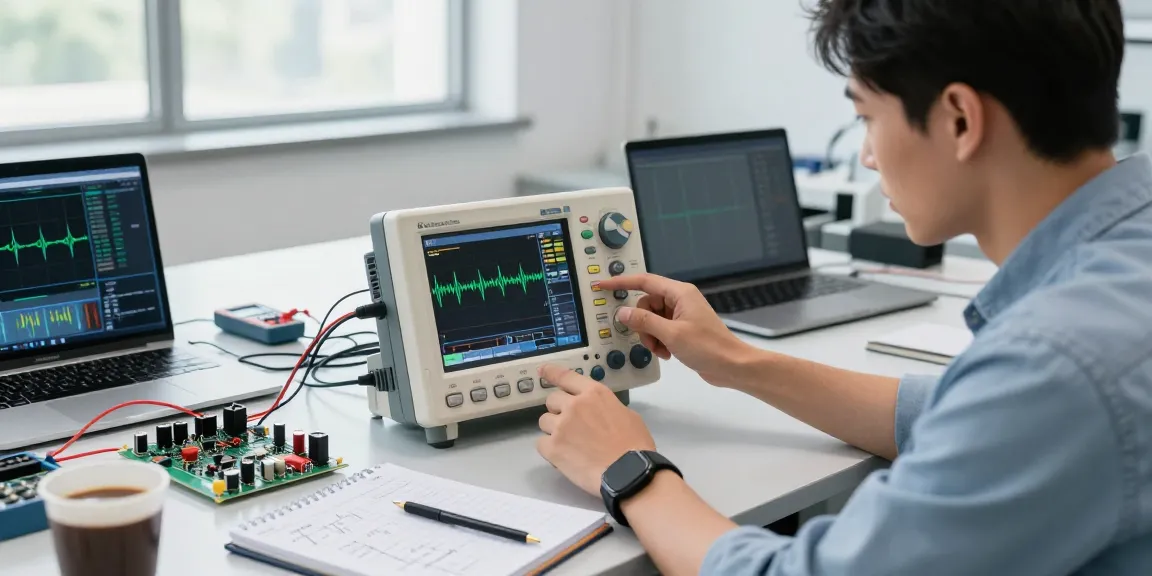
Handheld digital oscilloscopes are indispensable tools for engineers, technicians, and electronics enthusiasts alike. These compact devices provide precise measurements of electrical signals, allowing users to analyze waveforms and diagnose issues with ease. Their portability and multifunctionality make them especially useful for on-site applications where traditional benchtop oscilloscopes may not be practical. When exploring options, handheld digital oscilloscope collections offer a variety of features suited to different needs and applications.
What is a handheld digital oscilloscope?
A handheld digital oscilloscope is a portable version of the traditional oscilloscope, designed to measure and display voltage signals as waveforms. Unlike standard oscilloscopes, which often require a stationary setup, handheld models feature battery operation for maximum mobility. These devices are particularly valuable for field testing, allowing engineers to conduct measurements in real-time, regardless of location.
Key features and functionalities
- Multiple Channels: Many handheld digital oscilloscopes feature multiple channels, allowing simultaneous measurement of different signals for comparative analysis.
- Bandwidth Range: Varying bandwidth options, typically from 10 MHz to over 100 MHz, are available, catering to different testing scenarios.
- Sampling Rate: High sampling rates (up to 250MSa/s) ensure accurate signal representation, crucial for capturing fast transients.
- Built-in Functions: Functions such as auto measurements, FFT analysis, and data logging enhance the usability of these devices.
- Durability and Usability: Designed for rugged environments, these oscilloscopes often feature protective casings and user-friendly interfaces for intuitive operation.
Comparing handheld vs. benchtop oscilloscopes
When deciding between handheld and benchtop oscilloscopes, several factors should be considered. Handheld oscilloscopes offer unmatched portability and are typically lighter and easier to use in the field. However, benchtop models usually provide higher performance specifications, such as greater bandwidth and more extensive feature sets, making them ideal for complex laboratory environments.
Choosing the Right Handheld Digital Oscilloscope
With a plethora of options available, selecting the right handheld digital oscilloscope can be daunting. Key considerations include bandwidth requirements, the number of channels needed, and specific functionalities that align with your testing needs.
Factors to consider: bandwidth, channels, and functionality
- Bandwidth: Determine the frequency range of the signals you will measure. For instance, applications in high-frequency electronics may require oscilloscopes with at least 100 MHz bandwidth.
- Channel Configuration: Depending on your needs, you may require a single or multiple channels. Dual-channel oscilloscopes are beneficial for comparing two signals simultaneously.
- Functionality: Consider whether the inclusion of additional features, such as a built-in multimeter or signal generator, may enhance your workflow.
How to assess your testing needs
Identifying your specific testing needs is crucial in selecting the right oscilloscope. Think about the types of projects you will be working on and assess the complexity of the signals you’ll encounter. If you’re involved in automotive diagnostics, for example, a model with automotive-specific features will be advantageous.
Recommendations for beginners and professionals
For beginners, oscilloscopes like the HANMATEK® HO11 provide a great balance of functionality and ease of use. Professionals may benefit from advanced models such as the HANMATEK® HO102S, which offers enhanced features for more demanding applications.
Practical Applications of Handheld Digital Oscilloscopes
Handheld digital oscilloscopes are versatile tools applied across various fields, from electronics troubleshooting to educational environments.
Field testing in electronics and automotive
In the automotive industry, handheld oscilloscopes are critical for diagnosing vehicle electronics and systems. They offer the portability necessary to perform analysis directly at the vehicle site, ensuring rapid troubleshooting and repairs.
Educational uses in engineering courses
These oscilloscopes also find a place in academic settings, where they serve as practical teaching aids. Engineering students can gain hands-on experience understanding waveforms and signal analysis, crucial skills for future careers.
Innovative uses in research and development
Research and development teams utilize handheld oscilloscopes to prototype and test new electronic devices. Their multifunctionality allows for quick adaptations based on testing scenarios, accelerating the development process.
Best Practices for Using Handheld Digital Oscilloscopes
To maximize the potential of your handheld digital oscilloscope, it’s essential to implement best practices during usage.
Setting up the device for optimal performance
Ensure that your oscilloscope is configured correctly for the signals being measured. Adjust the vertical sensitivity and time base settings to align with the characteristics of the signal you are analyzing.
Common troubleshooting tips
- If the display shows erroneous waveforms, check the probe connections and settings.
- Ensure the zoom and scale settings are appropriately adjusted for the signals being observed.
- Regularly recalibrate the oscilloscope to maintain measurement accuracy.
Routine maintenance and care for longevity
Keep the oscilloscope clean and protected from dust and moisture to extend its lifespan. Store the device in its carrying case when not in use and periodically check for software updates to ensure optimal performance.
The Future of Handheld Digital Oscilloscopes
The future of handheld digital oscilloscopes looks promising, with advancements anticipated to enhance usability and functionality.
Emerging trends and technologies in 2026
In 2026, we can expect oscilloscopes to incorporate more advanced connectivity options, allowing seamless integration with applications and cloud data storage. This trend will enable users to analyze and share data instantaneously.
Integration with smart devices and IoT
With the rise of the Internet of Things (IoT), handheld oscilloscopes are likely to become more integrated with smart technologies. Features such as remote monitoring and data analysis via smartphones are emerging trends that will redefine user interaction.
What to expect: innovations on the horizon
As technology progresses, we can anticipate innovations such as AI-driven analytics that can analyze waveforms and detect anomalies more efficiently than ever. This will help in minimizing troubleshooting time and increasing productivity across various fields.