Introduction to the Sandakphu Trek
The sandakphu trek is one of the most celebrated trekking routes in India, offering stunning vistas and an exhilarating outdoor experience. Known as the highest point in West Bengal, Sandakphu stands tall at 3,636 meters (11,930 feet) and serves as a gateway for trekking enthusiasts looking to immerse themselves in the majestic landscapes of the Himalayas. From the breathtaking views of four of the world’s highest peaks—Mount Everest, Mt. Kanchenjunga, Mt. Lhotse, and Mt. Makalu—to the rich flora and fauna, this trek is nothing short of spectacular. In this article, we delve deep into the Sandakphu trek, touching upon its unique features, the trekking route, essential preparations, and tips to ensure you have a memorable experience.
What Makes Sandakphu Trek Unique?
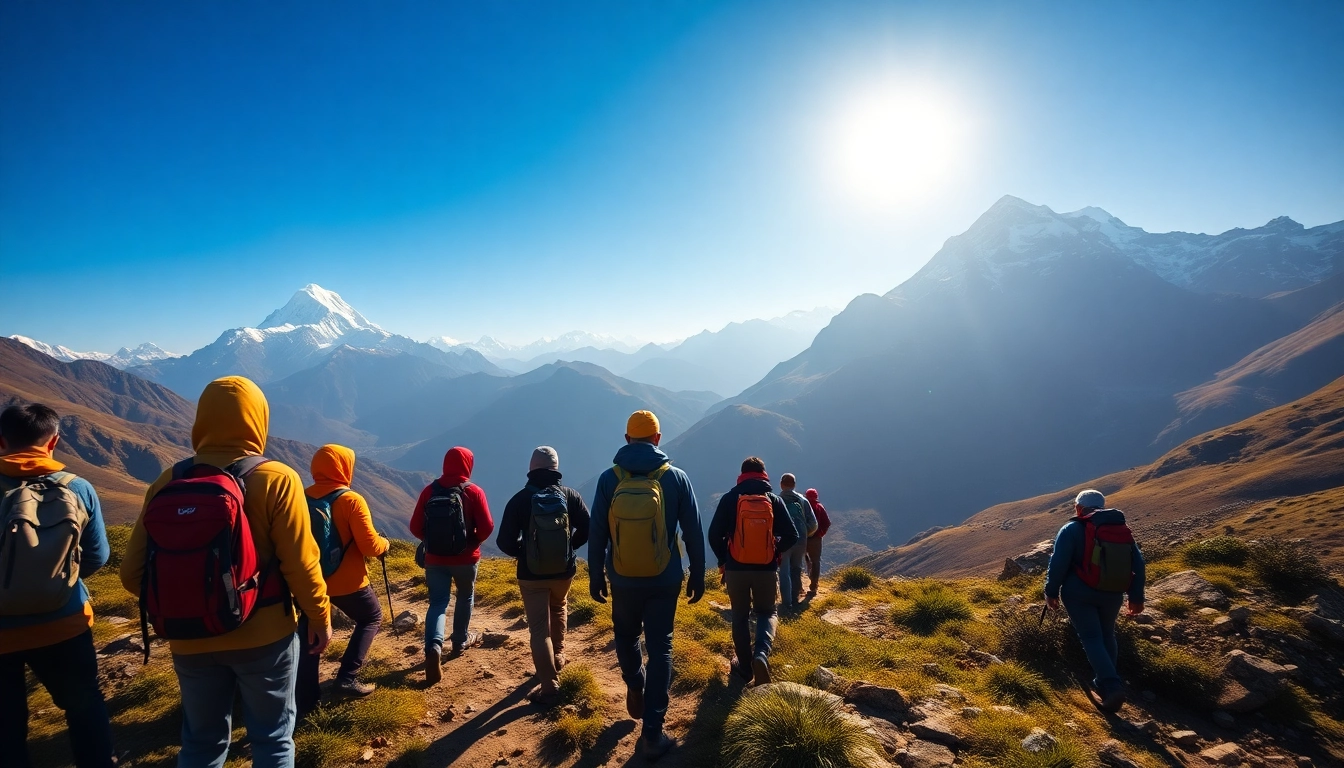
The sandakphu trek is noted for its unique landscape, blending rich biodiversity and panoramic views. Unlike many other treks, this trail provides the opportunity to see four of the highest peaks in the world from a single viewpoint. The path weaves through lush forests lined with rhododendrons and magnolias, vibrant meadows, and quaint villages. Furthermore, this trek holds cultural significance, lying along the India-Nepal border, where trekkers often encounter local traditions and lifestyles. The serenity and natural beauty combined with the thrill of high-altitude trekking make the Sandakphu an unparalleled experience.
Overview of the Trekking Route
The traditional route for the sandakphu trek generally spans about 50 to 65 kilometers, taking approximately 6 to 7 days to complete, depending on the chosen itinerary. Trekkers typically begin their journey from the small town of Manebhanjan, a critical staging post. From Manebhanjan, the path leads adventurers through charming villages like Chitrey, Meghma, and Gurdum. The ascent is gradual for the most part, with certain stretches depicting moderate difficulty. One of the highlights is the night stay at Sandakphu village, where trekkers can marvel at the sunrise illuminating the majestic peaks.
Key Attractions on the Trek
Throughout the sandakphu trek, several noteworthy attractions punctuate the journey:
- Four Peaks View: The trek offers awe-inspiring views of Everest, Kanchenjunga, Lhotse, and Makalu, especially from Sandakphu’s summit.
- Flora and Fauna: Adventure seekers may spot diverse wildlife, including red pandas, Himalayan tahr, and numerous bird species nestled in beautiful rhododendron and bamboo forests.
- Sandakphu Village: A quaint settlement with local culture and heritage, providing an immersive experience of the Himalayan lifestyle.
- Phalut: Often considered an extension of the trek, this spot provides equally stunning views and offers trekkers a quieter environment to enjoy the natural beauty.
Preparation for the Sandakphu Trek
Proper preparation is vital for a successful and enjoyable trek. Here’s what to consider:
Essential Packing List
Creating a comprehensive packing list can significantly ease your trekking experience. Essential items include:
- Clothing: Layered clothing is essential. Include thermal inner wear, a waterproof jacket, trekking pants, gloves, and warm hats.
- Footwear: Comfortable, waterproof trekking shoes with good grip are crucial to ensure safety and comfort.
- Gear: Trekking poles, a reliable backpack, a sleeping bag rated for chilly weather, and a first aid kit.
- Hydration: Water bottles or a hydration pack to stay properly hydrated throughout the journey.
- Navigation: A map of the trail and a compass or GPS device in case of emergencies.
Physical and Mental Preparation
Fitness plays a crucial role in your trekking experience. Consider engaging in a training routine a few months before you hit the trail. Focus on cardiovascular exercises, strength training, and outdoor hiking to get accustomed to lengthy walks. Mental preparation is equally important; familiarize yourself with the challenges you may face, including potential altitude sickness and weather changes.
Understanding the Terrain
Knowledge of the terrain is essential for trekkers to navigate safely. The Sandakphu trek features a mix of rugged trails, steep ascents, and rolling hills. Some areas may be rocky or slippery, especially after rain. The best approach involves familiarizing oneself with the route beforehand and maintaining a steady pace throughout the journey, adapting to the changing landscapes.
Best Times to Undertake the Sandakphu Trek
Choosing the optimal time for trekking can greatly enhance your experience. Here’s a breakdown based on seasonal weather conditions:
Seasonal Weather Patterns
Generally, the Sandakphu trek can be attempted year-round, however, the optimal seasons are:
- Spring (March to April): Wildflowers adorn the landscape, making it picturesque. The weather is pleasantly cool.
- Autumn (October to November): The skies tend to be clearer, offering breathtaking views of the peaks.
Peak Months for Stunning Views
The peak trekking seasons of March, April, October, and November are particularly popular due to stable weather conditions enabling clear visibility of the mountain peaks. These months attract many trekkers, fostering a vibrant trekking community along the route.
Off-Peak Advantages
While peak months provide stunning scenery, off-peak seasons like late winter or monsoon may offer a quieter experience. However, weather can be unpredictable, and trekkers need to prepare for challenging conditions.
Navigating Challenges on the Sandakphu Trek
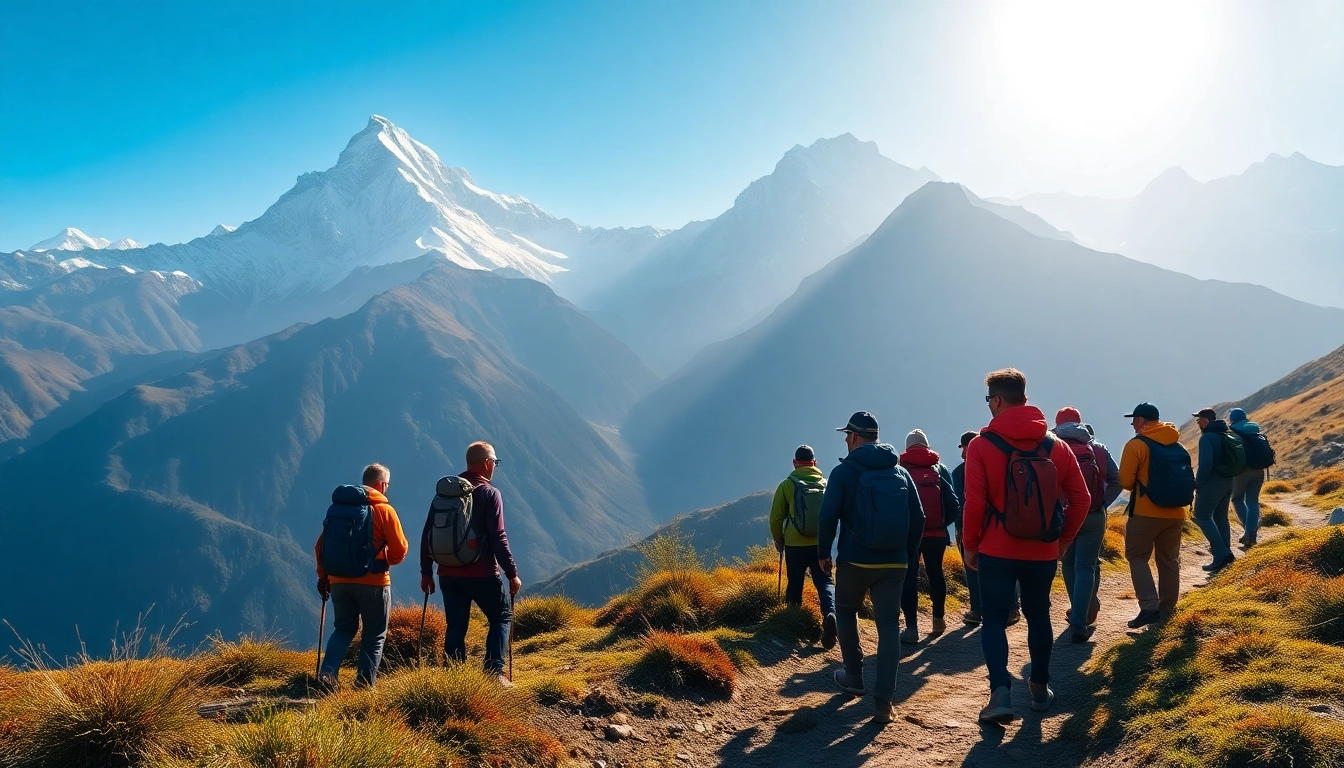
Like any adventure, the Sandakphu trek presents some challenges. Here’s how to navigate them:
Safety Tips for Trekkers
Safety should always be a priority. Ensure you’re equipped with all necessary gear, keep your mobile charged for emergencies, and inform someone about your trekking itinerary. Additionally, acclimatizing properly to heights and following local guidelines can prevent mishaps.
Dealing with Altitude Sickness
Altitude sickness can be a concern for many trekkers. To mitigate this, ascend gradually, ensuring adequate hydration, and acknowledge early symptoms such as headaches and dizziness. Descending to a lower altitude is vital if symptoms worsen.
Managing Trail Difficulties
Participants should devise a strategy to manage potential difficulties on the trail, such as fatigue or injury. Maintaining a steady pace, taking regular breaks, and if hiking in a group, supporting one another can lead to a more enjoyable experience.
Frequently Asked Questions About the Sandakphu Trek
How Difficult is the Sandakphu Trek?
The Sandakphu trek is rated as moderate difficulty. While not overly technical, it requires good fitness and some trekking experience due to lengthy walking hours and potential altitude changes
Can Beginners Attempt the Sandakphu Trek?
Yes, beginners can attempt the Sandakphu trek given they are in good physical shape. The trail isn’t overly difficult but requires endurance, especially during prolonged uphill climbs.
What Wildlife Can Be Seen on the Trek?
During the trek, you may spot various wildlife, such as red pandas, Himalayan tahr, and diverse bird species. It’s a treasure trove for wildlife enthusiasts and photographers.
Is a Guide Recommended for the Sandakphu Trek?
A guide can enhance the trek experience with local knowledge and navigation assistance, ensuring safety and revealing hidden gems along the route.
Can I See Mount Everest from Sandakphu?
Yes, you can see Mount Everest along with three other towering peaks—Kangchenjunga, Lhotse, and Makalu—from Sandakphu, making it a breathtaking viewpoint.