Understanding Steel Cabinet Features
When considering storage solutions for both home and office environments, the steel cabinet stands out as a reliable choice. These cabinets are not only functional but also offer a variety of features that enhance their overall utility and appeal. In this section, we will explore the defining features of steel cabinets, diving deep into their durability, design elements, and cost-effectiveness.
What Makes a Steel Cabinet Durable?
Durability is one of the primary reasons consumers choose steel cabinets over their wooden or plastic counterparts. Steel is known for its strength, providing robust resistance against physical impacts, making it ideal for high-traffic areas. Most steel cabinets undergo processes such as cold rolling or hot rolling, which enhance their toughness.
Moreover, steel cabinets are often treated with various coatings, including powder coating, to resist rust and corrosion. This treatment not only extends the life of the cabinets but also preserves their appearance over time. This is particularly beneficial in environments that experience fluctuations in humidity or temperature, which can cause warping in wooden cabinets.
Key Design Elements to Consider
When selecting a steel cabinet, design elements play a critical role in functionality and aesthetics. Here are some key features to contemplate:
- Lock Mechanism: Security features can include built-in locks or electronic keypad entries, providing peace of mind for sensitive materials.
- Finish: Cabinets are available in various finishes, including matte, glossy, or textured surfaces, allowing you to match your cabinet to your decor.
- Configurations: From multi-drawer designs to open shelving, configurations impact usability and organization, allowing you to maximize space efficiency.
Cost-Effectiveness of Steel Cabinets
The initial investment in a steel cabinet may be higher compared to alternatives, but the long-term cost savings make it a wise choice. Steel cabinets typically require less maintenance, reducing replacement costs and repairs over time. Additionally, their durability means you won’t need to purchase replacements as frequently, contributing to overall savings.
Moreover, the versatility of steel cabinets across different settings, whether in a garage, home office, or commercial workspace, offers significant return on investment, as they can adapt to various needs without the need for frequent updates or changes.
Choosing the Right Steel Cabinet for Your Needs
Selecting the right steel cabinet requires careful consideration of your specific needs and environment. Here are essential factors to evaluate when making your choice:
Home vs. Office: Which Steel Cabinet Suits You?
Your selection of a steel cabinet can differ significantly based on its intended use. For home applications, a compact steel cabinet may suffice for storage in a laundry room or a workshop, focusing on aesthetic elements and convenience. In contrast, an office environment might require larger, multi-functional units capable of holding files, equipment, and other office supplies.
Consider the traffic of the location: if it’s prone to visitor flow, choose designs that blend well while offering security for sensitive items. Evaluate whether you need aesthetics or functional storage capacity, as both can influence your purchase decision.
Configuration Options: Storage Styles and Layouts
Understanding the different configuration options can significantly enhance your storage capabilities. Steel cabinets come in various styles, including:
- Vertical Cabinets: Ideal for saving floor space without sacrificing storage capacity, often used for documents.
- Drawer Cabinets: Great for organizing smaller items, commonly found in workshops and design studios.
- Mobile Cabinets: Equipped with wheels, allowing easy relocation within a workspace; suitable for collaborative environments.
Analyzing your storage requirements will help guide you toward the most suitable cabinet layout.
Assessing Size and Space Requirements
Space is a critical factor when choosing a steel cabinet. Start by measuring the intended area for installation and ensure the cabinet dimensions will fit comfortably without obstructing movement. Take into account the cabinet’s depth, height, and width, and ensure you have adequate clearance for opening doors or drawers fully.
Moreover, consider vertical storage solutions if horizontal space is limited, promoting efficient use of cubic footage in your workspace or home.
Benefits of Steel Cabinets Over Other Materials
While there are storage solutions made from various materials, steel cabinet provides a range of advantages that set them apart. Below, we review these benefits in-depth, focusing on durability, fire resistance, and maintenance.
Durability: Long-Lasting Solutions
The inherent durability of steel makes it a long-lasting option for storage. Steel cabinets are less susceptible to dents and scratches compared to wood or plastic alternatives, which tends to show wear and tear over time. The lifespan of a steel cabinet is significantly longer, even under heavy use.
In workplaces that demand consistent performance under challenging conditions, the ability of steel cabinets to withstand rough handling removes the worry of costly replacements.
Fire Resistance and Security Features
Fire resistance is a critical consideration for many businesses and home environments. Steel has a high melting point, making steel cabinets an excellent choice for storing sensitive documents or data storage devices. Many steel cabinets come with added fire-rated options that can provide an additional layer of protection during emergencies.
Furthermore, security features such as deadbolts and locking systems enhance the capability to safeguard sensitive items, preventing unauthorized access, and reducing liability.
Maintenance and Cleaning Tips
Maintenance of steel cabinets is relatively straightforward, making them accessible and user-friendly. Routine cleaning can be performed using a damp cloth or sponge with mild soap, followed by a thorough drying to prevent water marks or rust formation. For tougher stains, you may consider using a non-abrasive cleaner.
To preserve the cabinet’s finish, it’s essential to avoid abrasive materials that may scratch the surface. Regularly check and tighten the hinges and locks to ensure smooth operation.
Popular Styles of Steel Cabinets
The style of a steel cabinet can dramatically affect the overall aesthetic of a space. Given their versatility, there are numerous styles to match varying tastes and settings. Let’s explore some popular trends and configurations currently available in the market.
Industrial Chic: A Trend in Office Design
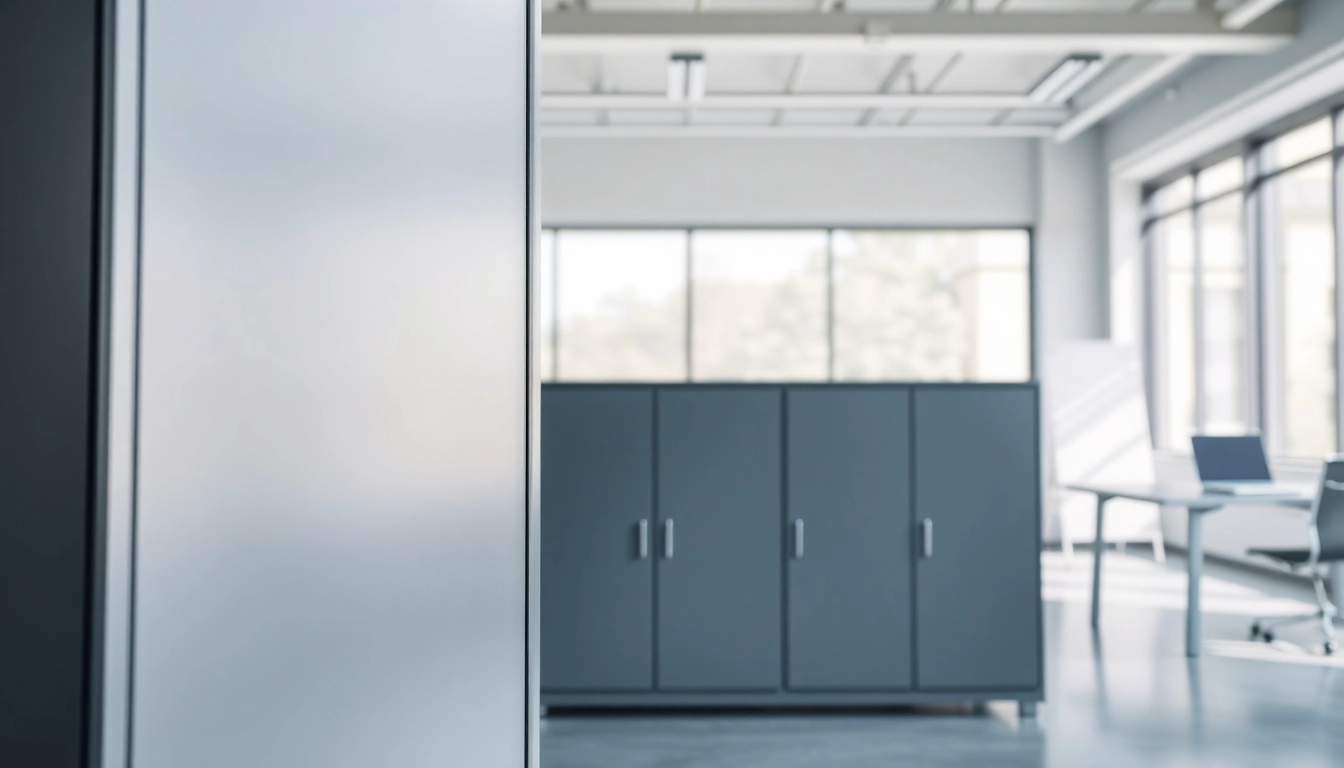
Industrial chic has become a prominent design trend across various settings. Steel cabinets are often featured as focal points in modern offices, offering a raw, minimalist appeal that conveys professionalism. Featuring matte finishes and clean lines, these cabinets often complement exposed brick, wooden elements, and metallic fixtures, enhancing the urban industrial aesthetic.
Incorporating an industrial-style steel cabinet allows businesses to project a contemporary image while benefiting from the functionality associated with durable materials.
Mixing Steel Cabinets with Other Materials
Another stylish trend involves mixing materials, such as wood and metal, to create a unique hybrid approach. By pairing steel cabinets with wooden shelves or accents, the aesthetics can soften, combining functionality with warmth. This blend not only enhances visual appeal but also caters to diverse decor styles that favor both modern and rustic elements.
Choosing a mixed-material cabinet can help create a visually dynamic workspace or home environment, striking a balance between professional and homely aesthetics.
Customizable Options for Unique Spaces
Customization offers flexibility and personalization, enabling you to create a storage solution tailored to your specific needs. Many manufacturers provide options for customizing size, configuration, colors, and interior fittings. Clients can select from a variety of drawer and shelving arrangements to design a cabinet that meets their unique requirements.
Customizable cabinets not only ensure functionality within intended spaces but also allow for integration with existing furnishings, providing a cohesive look to your design while maximizing storage possibilities.
FAQs About Steel Cabinets
What sizes do steel cabinets come in?
Steel cabinets are available in various sizes to accommodate different spaces and storage needs, from small personal cabinets to large industrial units.
Are steel cabinets suitable for outdoor use?
While some steel cabinets can be treated for weather resistance, most are not recommended for outdoor use without proper coatings.
How can I secure my steel cabinet?
Many steel cabinets come with built-in locks or can be fitted with additional locking systems to enhance security.
What colors do steel cabinets come in?
Steel cabinets are often available in various colors, including traditional neutral tones as well as vibrant hues for modern aesthetics.
Do I need special tools to assemble a steel cabinet?
Most steel cabinets can be assembled with basic tools, but instructions are provided for specific assemblies to ensure proper setup.