Introduction to Cape Cod Homes
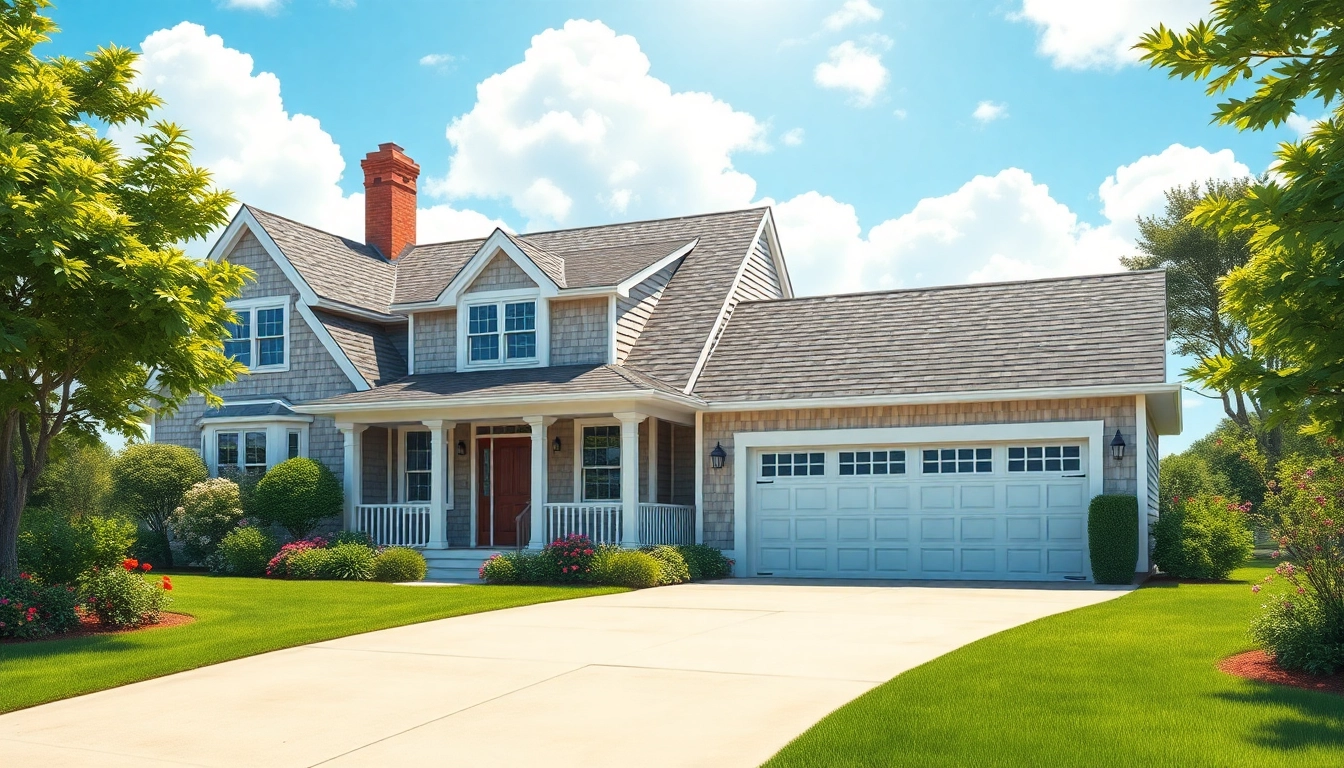
Cape Cod homes represent a timeless architectural style that embodies the charm of coastal living. Characterized by steep rooflines, dormer windows, and shingle siding, these homes are both functional and aesthetically pleasing. They are not only popular for their classic beauty but also for their ability to blend seamlessly into natural settings. Whether you are considering a new build or looking to expand your existing space, cape cod homes offer countless possibilities for personal expression and comfort.
History and Characteristics of Cape Cod Homes
The Cape Cod style dates back to the colonial period in the 17th century, originating in New England. Built to withstand the harsh coastal climate, these homes were designed with functionality in mind. Their distinct steep roofs, which help shed snow and rain, were inspired by traditional English styles. Classic features include symmetrical shapes, dormer windows providing light to the upper levels, and simple interiors that emphasize cozy living.
Exterior elements often consist of wood siding, which is either painted or left to weather naturally. Many Cape Cod homes use muted, natural colors that complement their surroundings, creating a cohesive and inviting atmosphere. Inside, expect an efficient layout that maximizes space while remaining comfortable and welcoming.
Why Choose a Cape Cod Home?
There are numerous reasons to consider a Cape Cod home for your next residence. Firstly, their design is not only aesthetically pleasing but also inherently practical. They are energy-efficient, leveraging natural light and airflow which can help lower utility bills. The layout is typically family-friendly, making them suitable for all stages of life.
Additionally, their historical significance and durability appeal to many buyers looking for both character and longevity. The adaptability of Cape Cod homes means they can be updated or expanded to meet modern needs, making them an excellent investment for the long term.
Modern Adaptations of Traditional Designs
Modern architecture often takes cues from traditional designs, and Cape Cod homes are no exception. Today’s adaptations may include open floor plans that enhance natural flow and create an airy feel. Many homeowners are also incorporating sustainable materials and technology into their renovations, such as solar panels and energy-efficient windows.
Additionally, some adaptations involve integrating additional living spaces, such as sunrooms or outdoor patios, blurring the lines between indoor and outdoor living. This allows Cape Cod homes to retain their classic charm while meeting contemporary lifestyle demands.
Attached Garage Designs
Benefits of an Attached Garage for Cape Cod Homes
Incorporating an attached garage into a Cape Cod home design offers various practical advantages. Firstly, it enhances convenience, especially in regions with harsh winters or inclement weather where entering the home without exposure to the elements is a significant benefit. An attached garage also provides immediate access to storage for outdoor gear, seasonal items, and tools, streamlining everyday life.
From a real estate perspective, homes with attached garages often have a higher resale value. Many potential buyers favor a property that includes this functional space, as it generally signifies a well-planned layout. Furthermore, an attached garage can contribute to improved safety by securing vehicles and belongings more effectively.
Design Considerations for Attached Garages
When planning an attached garage for a Cape Cod home, several design elements should be considered. First, it’s important to maintain architectural harmony between the garage and the house. This can be achieved through consistent roofing materials and colors, ensuring that doors and windows match or complement the home’s facade.
Moreover, incorporating ample storage options within the garage will maximize its utility. Consider built-in shelves, cabinets, and space for organization systems that keep everything orderly. Ventilation should also be prioritized to minimize moisture buildup, which can lead to mold and mildew.
Integration with Home Architecture
An integral part of designing an attached garage is its seamless integration with the home’s architecture. This requires careful planning and alignment to ensure that the garage does not overpower or detract from the home’s original character. Utilizing similar materials ensures cohesiveness, while strategic landscaping can soften the transition between the home and garage, providing an aesthetic appeal that complements the entire property.
Additionally, consider the placement of windows and entry points to ensure both functionality and flow. Aligning garage doors with the main entrance can create a more unified look while enhancing the overall curb appeal.
Building or Expanding Your Cape Cod Home
Key Steps in Home Expansion Projects
Expanding your Cape Cod home can significantly enhance both its aesthetic and functional space. The key steps in this process include assessing your current space, determining your needs, and developing a clear vision. Start with an in-depth evaluation of your existing layout and consider how you can effectively augment it, whether through additional rooms, higher ceilings, or larger living spaces.
Planning and prioritizing your budget and timeline is critical. Engaging professional architects can help you realize your vision while adhering to local regulations. It’s also essential to communicate with family members about their preferences to create a cohesive expansion plan that caters to everyone’s needs.
Choosing the Right Contractors
Choosing the right contractor can make or break your home expansion project. Start by gathering referrals and reading reviews to build a shortlist of qualified professionals. Examine their previous work, and whenever possible, visit completed projects to assess quality and craftsmanship. A good contractor will not only align with your design vision but also communicate openly and have a portfolio that resonates with your taste.
Furthermore, ensure that your contractor understands the unique requirements of Cape Cod homes. They should be experienced in maintaining the architectural integrity of the style while incorporating modern conveniences.
Planning for Permits and Regulations
Before commencing any home expansion project, securing the necessary permits and adhering to local regulations is a must. Start by consulting with local planning departments to understand specific zoning laws and building codes relevant to your area. Prepare detailed plans and drawings that convey your intended changes clearly, as this will streamline the approval process.
Be proactive about identifying potential challenges, such as neighbor objections or environmental considerations, early in your planning to mitigate risks down the line.
Interior Design Ideas for Cape Cod Homes
Utilizing Space Efficiently
Maximizing space is crucial in any home, especially in Cape Cod designs where simplicity often reigns. To utilize space efficiently, consider multifunctional furniture like storage ottomans or wall beds that create flexibility without sacrificing comfort. Built-in shelving is another excellent option, providing ample storage without overwhelming floor space.
Strategically using vertical space can help open up the home and create an airy feel while allowing for decoration that enhances the coastal aesthetic. Light-colored palettes and large windows further promote the feeling of spaciousness.
Color Schemes and Decor Inspirations
When choosing a color scheme for a Cape Cod home, consider soft, muted tones that reflect the natural surroundings. Shades of blue, gray, and sandy beige can create a tranquil atmosphere representative of coastal living. These colors can be complemented with accent pieces like nautical decor and organic textiles that add warmth and character to spaces.
Decor inspirations ranging from vintage maritime artifacts to modern coastal artworks can also help to define the interior style, giving it a personality that resonates with both warmth and sophistication.
Creating an Inviting Atmosphere
To create an inviting atmosphere in your Cape Cod home, focus on ensuring comfort and accessibility. Layered lighting options that include ceiling fixtures, wall sconces, and table lamps allow for mood control in varying settings. Incorporating cozy throws and welcoming elements such as scented candles can make a space feel more personalized and inviting.
Using natural materials and texture—like wicker, wood, and linen—also contributes to a warm ambiance. Easy access to outdoor areas can enhance the inviting feeling, with ample windows that usher in light and offer beautiful views of your surroundings.
Frequently Asked Questions
What are the benefits of owning a Cape Cod home?
Cape Cod homes offer timeless charm, energy efficiency, and coastal aesthetics, making them a favorite among homeowners. Their practical layouts are also family-friendly, enhancing livability.
How do I choose colors for my Cape Cod home?
Stick to soft, neutral colors like blues, grays, and whites to enhance the coastal vibe and ensure harmony with surroundings. Consider bringing in accent colors through decor.
What renovations are popular for Cape Cod homes?
Common renovations include open floor plans, updated kitchens, and energy-efficient windows while maintaining classic aesthetics. This merges modern needs with traditional styles.
Is an attached garage beneficial for property value?
Yes, an attached garage can add convenience and increase property value, appealing to potential buyers. It creates additional accessible storage and functionality.
What are the typical features of Cape Cod homes?
Expect steep rooflines, dormer windows, wood siding, and simple yet functional interior layouts that emphasize coziness and adapt beautifully to modern changes.