Introduction to Image to 3D Conversion
In an increasingly digital world, the demand for immersive experiences is at an all-time high. One of the significant breakthroughs in technology that caters to this demand is the transformation of 2D images into 3D models. The process of Image to 3D conversion enables artists, designers, and engineers to visualize their ideas in a more tangible form. By effortlessly translating flat images into intricate 3D representations, this technology opens doors to various applications ranging from gaming and virtual reality to product design and prototyping.
Understanding the Basics of Image to 3D Technology
Image to 3D technology revolves around converting flat, 2D images into three-dimensional models that can be manipulated and rendered in a digital space. This transformation is primarily facilitated by algorithms and artificial intelligence, which analyze the visual data in the images to generate accurate depth, texture, and shape. The end product is a versatile 3D model that can be used in various fields, including gaming, architecture, and film.
The Importance of Image to 3D in Modern Design
The integration of Image to 3D technology in modern design processes has revolutionized how creators approach their projects. This technology allows for rapid prototyping, enabling designers to visualize concepts before moving to physical production. In industries such as fashion, automotive, and consumer electronics, 3D models facilitate better communication among teams and improve the overall design workflow.
Common Misconceptions about Image to 3D
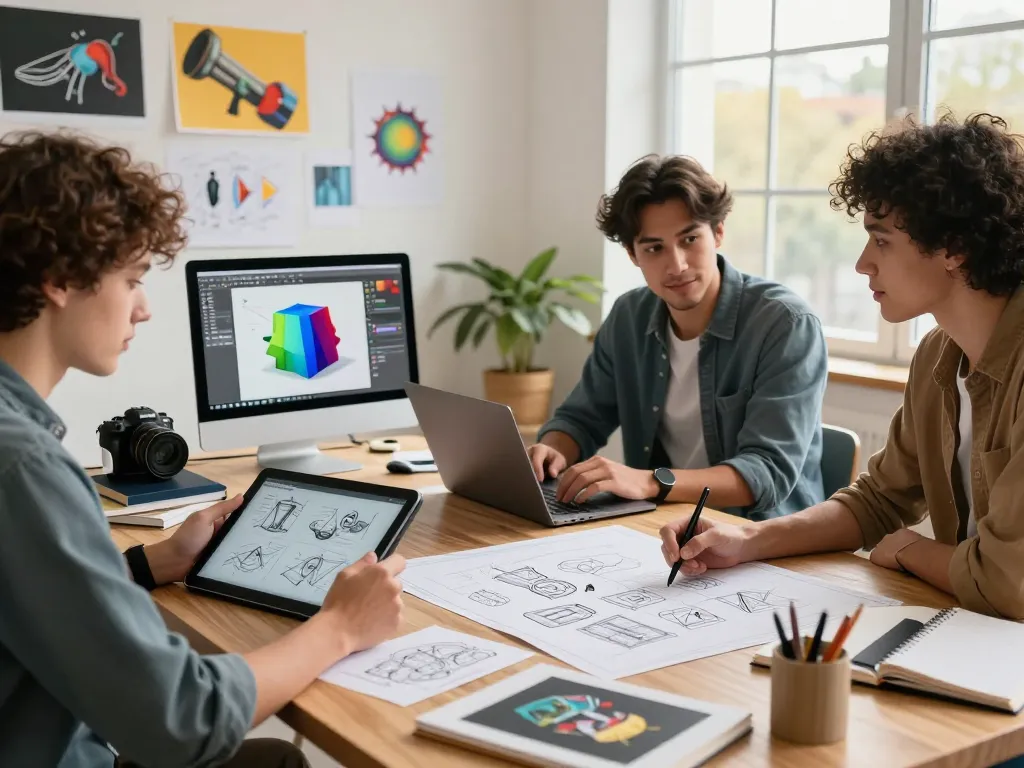
Despite its advantages, several misconceptions surround Image to 3D technology. Many believe that the process requires extensive technical knowledge and expensive software, which is not necessarily true. Numerous user-friendly tools are now available that simplify the conversion process for beginners. Additionally, the concerns about quality and detail have been addressed with advancements in AI, producing high-fidelity models even from basic sketches.
How Image to 3D Works: The Technology Behind It
Algorithms and AI in Image to 3D Generation
At the core of Image to 3D conversion are sophisticated algorithms and machine learning models that analyze visual data. These models are trained on vast datasets of images and their corresponding 3D counterparts, allowing them to understand depth cues, texture mapping, and object recognition. This intricate understanding enables the software to recreate 3D forms that closely match the original images, producing outputs that are not only visually appealing but also functional for various applications.
Comparative Analysis of Popular Image to 3D Tools
A variety of tools are available to assist users in creating 3D models from images. For instance, platforms like Meshy AI and Sloyd AI stand out due to their robust feature sets and user-friendly interfaces. These tools offer unique functionalities, such as automated texture generation and real-time previews, significantly enhancing the user experience. When choosing an Image to 3D tool, it’s essential to consider factors such as ease of use, output quality, and specific application needs.
Performance Metrics for Image to 3D Quality
The quality of Image to 3D conversions can be measured using several performance metrics, including accuracy, detail, and rendering speed. Accuracy refers to how closely the generated 3D model resembles the original image, while detail encompasses the model’s complexity, including texture and surface fidelity. Rendering speed is crucial for ensuring a seamless workflow, particularly in industries that require rapid prototyping and iteration. Users should evaluate these metrics based on their project requirements to select the most suitable tools.
Practical Applications of Image to 3D in Various Industries
Image to 3D in Gaming and Virtual Reality
In the gaming industry, the ability to quickly create 3D assets from 2D concept art is a game-changer. Image to 3D technology not only speeds up the asset creation process but also allows for dynamic environmental design, creating immersive virtual worlds. Developers can iterate on designs faster, fostering innovation and creativity in gameplay experiences.
Image to 3D for Product Design and Prototyping
For product designers, converting images to 3D models streamlines the prototyping process. Designers can visualize their ideas in three dimensions, make necessary adjustments, and test functionalities before committing to production. This technology significantly reduces the time and costs associated with traditional prototyping methods, enhancing efficiency and productivity.
Case Studies: Successful Image to 3D Implementations
Numerous companies have successfully integrated Image to 3D technology into their workflows. For example, a leading automotive manufacturer utilized this technology to create detailed models of new vehicle designs, allowing stakeholders to visualize and modify concepts before physical prototypes were created. Similarly, an architectural firm employed Image to 3D tools to present building designs to clients in an interactive format, greatly improving client engagement and feedback.
Challenges in the Image to 3D Process
Overcoming Common Obstacles in Image to 3D Conversion
While Image to 3D technology presents many benefits, users often encounter challenges. These may include the learning curve associated with using new software, issues related to data quality in the input images, and the potential for output artifacts. Overcoming these challenges requires a combination of practice and familiarization with the tools and techniques available, while educational resources and community supports can further facilitate this process.
Maintaining Quality and Detail in Image to 3D Models
Another challenge is ensuring that the 3D models maintain the necessary quality and detail throughout the conversion process. Factors such as image resolution, lighting conditions, and the complexity of the original 2D image can impact the final output. To mitigate these issues, users should strive to provide high-quality images and consider utilizing multiple views of the object when applicable.
Future Trends and Predictions for Image to 3D Technology
As technology evolves, the future of Image to 3D conversion appears promising. Innovations in artificial intelligence are expected to enhance the accuracy and speed of conversions, allowing even more complex images to be processed seamlessly. Furthermore, integration with virtual and augmented reality applications is likely to expand, creating new opportunities for industries to leverage 3D modeling in ways that we are only beginning to explore.
Getting Started: Step-by-Step Guide to Image to 3D
Tools You Need for Effective Image to 3D Conversion
To begin converting images to 3D models, several essential tools are required. These include a reliable computer with adequate processing power, specialized software (such as those mentioned earlier), and high-quality input images. Additionally, learning resources such as tutorials and online forums can be invaluable for newcomers to this technology.
Step-by-Step Process for Generating 3D Models from Images
- Choose an appropriate Image to 3D software based on your needs.
- Import your 2D image into the software.
- Adjust settings for depth and detail as required.
- Initiate the conversion process and review the generated 3D model.
- Make necessary tweaks and finalize your model for use.
Tips for Maximizing the Quality of Your Image to 3D Outputs
- Always use high-resolution images for better detail.
- Provide multiple angles of the object when possible.
- Experiment with different settings to see what yields the best results.
- Utilize software tutorials to master advanced features.
What is the best Image to 3D tool for beginners?
For beginners, simpler tools like Tripo AI or HexaGen offer intuitive interfaces and guided workflows that ease the initial learning curve. These platforms provide ample resources to help new users get started with Image to 3D conversion effectively.
How long does it take to convert an image to 3D?
The time required to convert an image to a 3D model can vary depending on several factors, including the complexity of the image and the capabilities of the software used. Generally, most tools can generate a basic model in a matter of seconds to minutes, but more detailed outputs may take longer.
Can I use Image to 3D models for commercial purposes?
Whether you can use Image to 3D models for commercial purposes depends on the licensing agreements of the software you use and the source of your images. It’s crucial to review these terms prior to utilizing the models in a commercial setting to ensure compliance with copyright laws.
What industries benefit most from Image to 3D technology?
Several industries stand to benefit significantly from Image to 3D technology, including:
- Entertainment (gaming and film)
- Architecture and construction
- Retail (fashion and product design)
- Education (interactive learning materials)
Is Image to 3D software user-friendly for non-technical users?
Many modern Image to 3D applications are designed with non-technical users in mind. With intuitive interfaces and guided processes, even those with little to no experience can create high-quality 3D models. As adoption continues to grow, developers are focusing on enhancing accessibility and reducing the learning barrier.