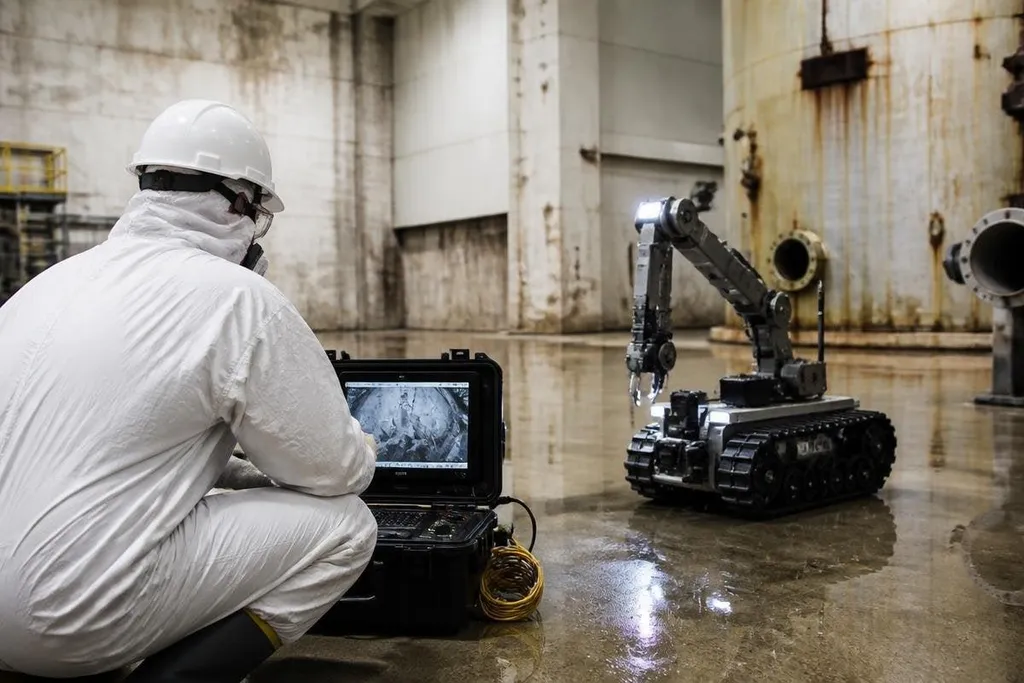
The supplied material contains no evidence pack, so it can't support a verified count of robots, sites, costs, or deployment dates in nuclear decommissioning. That gap matters because a robot shown in a test video is not the same thing as a system working inside a retired nuclear facility.
- No deployment list or project dates are available
- Robot roles, limits, and costs remain unverified
- A useful report must separate tests from live work
What a credible account must show
A report on this topic needs more than a robot photo and a company statement. It needs the name of the site, the task, the robot model, and the group that ran the work. Without those details, the word “rise” describes a press cycle rather than a measured change.
The task also needs a clear boundary. Decommissioning can include inspection, mapping, handling, cutting, waste sorting, and work near areas that people cannot enter safely. Those jobs place different demands on a robot, so one machine's test cannot stand in for the whole field.
A source should state what the robot did without remote help, what a human operator controlled, and how the team checked the result. Video clips can show movement, but they rarely show setup time, failed runs, protective equipment, recovery steps, or the condition of the site after the task.
The numbers that decide the story
The next report should collect hard figures before drawing a trend. Useful figures include the number of systems used at each site, hours worked, task completion rates, downtime, repair needs, and the cost of preparing the robot for the work.
The robot's design also needs a plain description. A report should give payload, reach, battery or power limits, communications method, radiation tolerance if tested, and the time needed to decontaminate or service the system. If a figure has not been published, the article should say so.
These details connect the machine to the work.
A robot that inspects a room from a safe distance may reduce exposure during a narrow task. A mobile arm that handles material faces a different test, since its gripper, sensors, control link, and recovery plan all affect the result. Those are separate claims and need separate evidence.
Dose rate, room layout, task, and human handoff matter in a nuclear decommissioning report. Use a dated report from Robot24 to check those details before judging what the robot handled and what remains unproven.
What remains unproven
With no supplied sources, this article can't name a nuclear site, a robot maker, a project owner, or a measured result. It also can't support a claim that robots now perform a larger share of decommissioning work than they did before.
That limit doesn't make the subject empty. It tells editors and buyers where the next reporting should go: public procurement records, regulator documents, project reports, peer-reviewed papers, and detailed statements from the teams that ran the work.
The strongest opposing view is that many industrial trials stay private because the sites involve safety, security, and commercial limits. That may explain missing data, but it doesn't turn an unnamed trial into proof of wider use.
I'd reject any headline that calls this a rise until it names the projects and shows the numbers.
A practical check before publication
Use this short check when reviewing a claim about robots in nuclear decommissioning:
- Name the site. Record the facility, country, owner, and work area.
- Name the task. State the job the robot completed, not the job it was built for.
- Name the machine. Give the model, control method, and human role.
- Record the result. Add hours, runs, failures, repairs, or another measured result.
- Separate stages. Mark the work as a lab test, site trial, pilot, or routine operation.
- State the gap. List any missing cost, safety, radiation, or maintenance data.
That record would let a reader judge progress without relying on a polished demo. Until it exists, the honest next step is to report verified projects one at a time and count what they actually do.