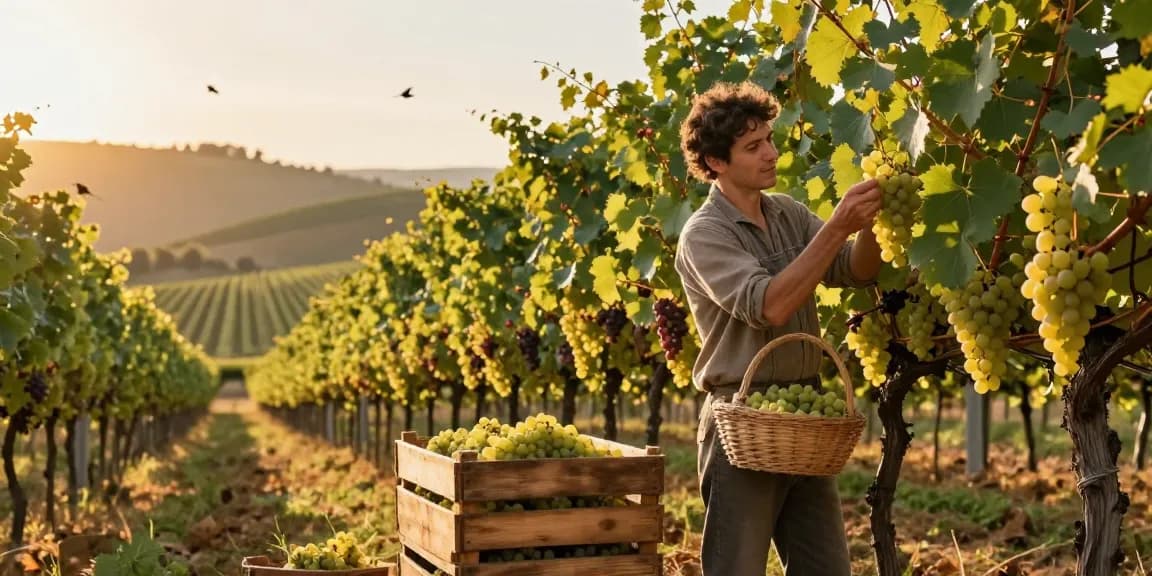
The Art of Vineyard Management
Vineyard management is a complex and multifaceted discipline that requires an understanding of the intricate ecosystems within vineyards. Successful vineyard managers must consider various factors that influence the growth of grapevines, from soil health to climate conditions. With the wine industry poised for significant changes in 2026, adapting vineyard practices is essential for ensuring the sustainability and quality of wine production. This article aims to provide in-depth insights into the art of vineyard management, particularly focusing on the strategies that can elevate the quality and yield of grapes, while also examining the future of viticulture.
For those seeking to delve deeper into effective vineyard management practices, Chattoowines offers valuable guidance and resources.
Understanding Vineyard Ecosystems
The vineyard ecosystem is a delicate balance of various biotic and abiotic components. Understanding these interactions is crucial for effective vineyard management. The health of a vineyard is influenced by factors such as biodiversity, soil composition, and the presence of beneficial organisms that can aid in pest control.
Soil microbiota, for instance, plays a significant role in nutrient cycling and plant health. A diverse array of microorganisms can enhance soil structure and fertility, which directly impacts grape quality. Vineyard managers should aim to support this biodiversity through practices such as cover cropping and reduced tillage.
Soil Health and Quality
Soil is the foundation of any vineyard, and ensuring its health and quality is paramount. Regular soil testing can help identify nutrient deficiencies and pH imbalances, allowing vineyard managers to implement corrective measures. Organic matter is particularly important for soil health, as it improves soil structure and water retention.
Implementing sustainable practices like composting and the use of organic fertilizers can contribute to long-term soil fertility. These practices not only enhance grape quality but also promote ecological balance within the vineyard.
Climate Considerations for 2026
As we look ahead to 2026, climate change will continue to be a critical factor influencing vineyard management. Shifts in temperature and precipitation patterns can affect grape ripening and the overall health of the vines. Vineyard managers must be proactive in adapting to these changes, focusing on climate-resilient grape varieties and implementing strategies such as modified irrigation practices.
Moreover, understanding microclimates within the vineyard can provide insights into varietal placement and optimal harvesting times, ultimately leading to improved wine quality.
Effective Grape Cultivation Techniques
Successful grape cultivation hinges on the implementation of effective techniques tailored to the vineyard's specific conditions. Each step, from planting to harvesting, impacts the quality of the final product. An in-depth knowledge of grapevine physiology can help vineyard managers make informed decisions throughout the grape cultivation process.
Pruning and Training Methods
Pruning is a vital practice that shapes the growth of grapevines, influencing both yield and quality. Proper pruning techniques can improve air circulation, enhance sunlight penetration, and reduce disease pressure. Training methods, such as trellising, play an equally important role in vine management, providing structural support and facilitating harvesting.
Different grape varieties may require specific pruning styles, so understanding the particular needs of each type is essential for achieving optimal results.
Water Management Strategies
Water management is crucial for maintaining the health of grapevines, particularly in regions prone to drought. Strategies such as drip irrigation can provide precise water delivery, conserving resources while ensuring vines receive the appropriate amount of moisture. Monitoring soil moisture levels allows vineyard managers to make data-driven decisions regarding irrigation schedules, contributing to improved vine performance and grape quality.
Pest and Disease Control Measures
Effective pest and disease control is a cornerstone of vineyard management. Integrated Pest Management (IPM) strategies, which combine biological, cultural, and chemical control methods, can help mitigate the impacts of pests while minimising chemical use.
Regular monitoring and proactive measures, such as the introduction of beneficial insects and the use of resistant grape varieties, can further enhance vineyard health and productivity.
Harvesting Best Practices for Quality
Harvesting grapes at the right time is crucial for achieving optimal flavours and aromas in wine. Understanding the balance between sugar content, acidity, and phenolic ripeness will allow vineyard managers to determine the ideal harvest window.
Optimal Harvest Timing
Timing is everything when it comes to grape harvesting. Factors such as weather conditions, vine health, and grape variety all play a role in determining the right moment for harvest. Vineyard managers should regularly taste grapes and conduct lab analyses to ascertain readiness, ensuring that they pick at peak ripeness for the desired wine style.
Manual vs. Mechanical Harvesting
The choice between manual and mechanical harvesting can significantly impact grape quality and vineyard economics. While manual harvesting is often preferred for premium wines due to its gentleness, mechanical harvesting offers speed and efficiency, particularly in larger operations. Understanding the trade-offs involved can help vineyard managers choose the best method for their specific circumstances.
Quality Control Measures Post-Harvest
After the grapes are harvested, implementing rigorous quality control measures is essential. This includes sorting grapes to remove any damaged or unripe fruit and closely monitoring fermenting temperatures and conditions in the winery. These practices ensure that the desired wine profile is achieved and that the integrity of the harvest is maintained.
Marketing Chattoowines Effectively
As the wine market continues to evolve, effective marketing strategies become increasingly important for vineyards like Chattoowines. Building a robust brand identity and engaging with customers are vital steps in establishing a loyal customer base and driving sales.
Building a Strong Brand Identity
Creating a distinctive brand identity involves defining what sets a vineyard apart, such as its unique terroir, winemaking philosophy, or sustainable practices. This identity should resonate with the target audience and be consistently reflected in all marketing materials, from packaging to online presence.
Moreover, storytelling can play a powerful role in building a brand, as customers are often drawn to the narrative behind a wine and the passion of its producers.
Leveraging Digital Marketing Strategies
In today's digital age, leveraging online marketing strategies is essential for reaching potential customers. Social media platforms offer vineyard managers an opportunity to showcase their wines, share behind-the-scenes content, and interact directly with consumers.
Search engine optimisation (SEO) strategies can also enhance visibility, helping wines to stand out in a competitive marketplace. Engaging content and effective keyword usage are crucial components of this approach.
Engaging with Customers in 2026
As we approach 2026, engaging with customers will involve a greater emphasis on personalised experiences. Understanding consumer preferences through data analytics can help vineyards tailor their marketing efforts and improve customer satisfaction. Innovative approaches, including virtual wine tastings and interactive online platforms, can further deepen customer engagement and loyalty.
Future Trends in Viticulture
The future of viticulture holds exciting possibilities, driven by technological innovations and shifting consumer preferences. Staying ahead of these trends will be essential for vineyard managers looking to thrive in an ever-changing landscape.
Technological Innovations in Winemaking
Advancements in technology are changing the way wine is produced and managed. Innovations such as precision viticulture, which employs data-driven approaches to monitor and manage vine health, are gaining traction. Drones, sensors, and satellite imagery can provide invaluable insights into vineyard conditions, helping managers make informed decisions that optimise yield and quality.
Sustainability Practices in Vineyards
With increasing consumer demand for sustainable products, vineyards that implement eco-friendly practices are likely to gain a competitive edge. This can include organic farming, water conservation efforts, and reducing carbon footprints through innovative technologies.
Sustainable practices not only appeal to environmentally-conscious consumers but also contribute to the long-term viability of vineyard operations.
Predictions for the Wine Industry in 2026
The wine industry will likely see continued growth in the coming years, driven by changing consumer preferences and technological advancements. As the market evolves, vineyards will need to adapt their strategies to meet new demands, such as increasing interest in lower-alcohol and organic wines. Additionally, the role of e-commerce in wine sales will continue to expand, requiring vineyards to develop robust online selling strategies.
What are the top grape varieties for 2026?
As we approach 2026, certain grape varieties are expected to gain prominence based on climate adaptability and consumer trends. Varieties such as Sauvignon Blanc, Pinot Noir, and indigenous varieties tailored to specific regions might see a rise in popularity. Vineyard managers should stay informed about these trends to make strategic planting decisions that align with market demands.
How can I improve my vineyard's yield?
Improving vineyard yield can be achieved through a combination of practices, including optimising soil health, implementing efficient irrigation strategies, and utilising technology for monitoring plant health. Regular assessments and adjustments based on data can enable vineyard managers to maximise productivity without compromising quality.
What are the best pest management strategies?
The most effective pest management strategies typically involve an integrated approach, combining biological controls, cultural practices, and judicious use of pesticides. Regular monitoring and the use of pest-resistant grape varieties can also significantly reduce pest pressures in vineyards.
What marketing techniques work best for wineries?
Successful marketing techniques for wineries often include creating unique brand narratives, using social media for customer engagement, and leveraging events such as wine tastings and festivals to build community connections. Developing a strong online presence can also enhance marketing efforts in an increasingly digital marketplace.
How can technology improve vineyard operations?
Technology has the potential to revolutionise vineyard operations, from precision agriculture tools that provide real-time data to automated processes that streamline tasks such as irrigation and harvesting. Implementing these technologies can increase efficiency, reduce costs, and ultimately lead to higher quality wines.