
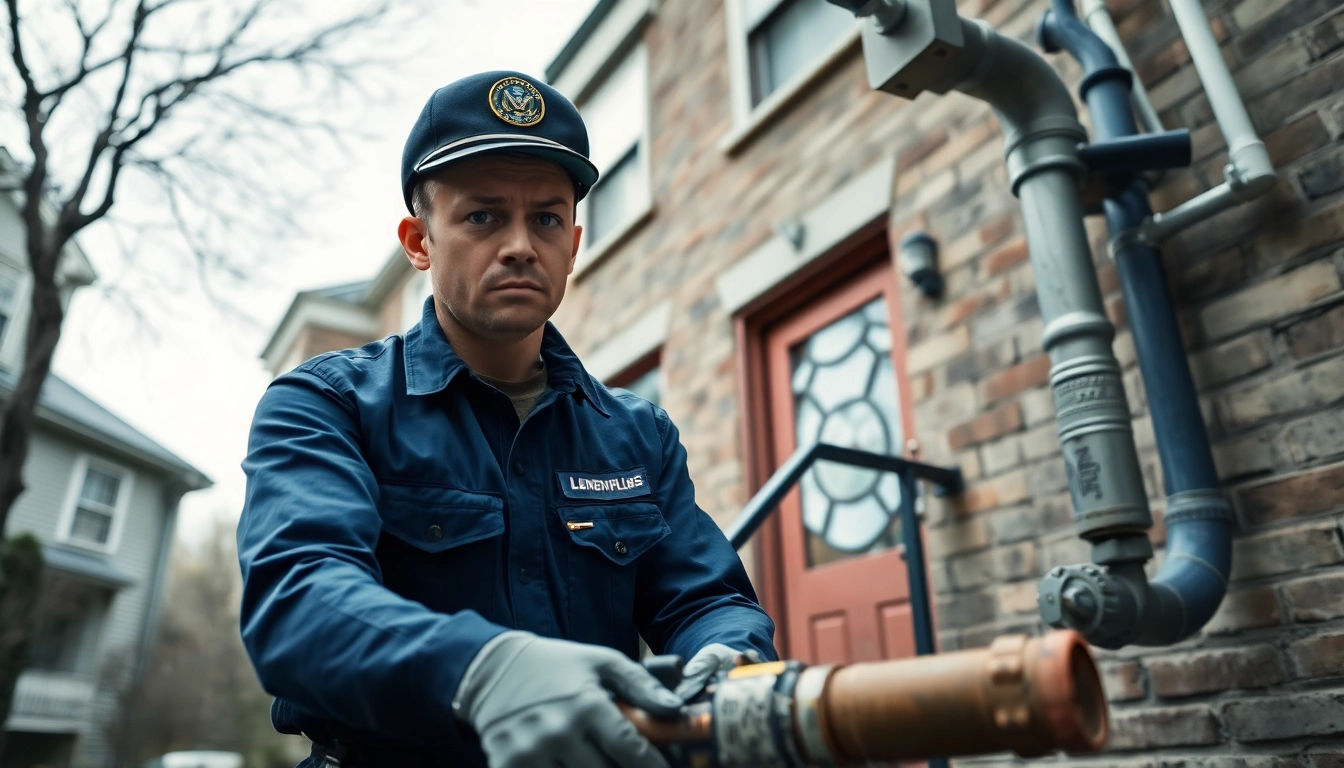
Understanding Sewer Backup Emergencies
Experiencing a sewer backup can be a homeowner’s worst nightmare, leading to major disruptions and potential health risks. Identifying when you have a sewer backup emergency is crucial for protecting your property and health. With an ever-evolving urban landscape like New York City, understanding the intricacies of plumbing systems is vital. In this guide, we will explore the nature of sewer backups, common causes, and essential steps for effective management. If you find yourself in need of emergency plumbing help for sewer backup, knowing the signs and how to respond can make all the difference.
What Constitutes a Sewer Backup?
A sewer backup occurs when wastewater flows backward through the sewer system into your home or building. This situation can result from a variety of issues, including blockages in the sewer line, inappropriate items being flushed, or even tree root invasions that damage underground pipes. Understanding what constitutes a sewer backup is crucial so that you can act swiftly and mitigate damage.
Identifying the Signs of a Sewer Emergency
Recognizing the signs of a sewer emergency early can save you significant time and money. Key indicators include:
- Unpleasant odors coming from drains or the basement.
- Multiple drains or toilets backing up simultaneously.
- Slow drainage in several fixtures throughout your home.
- Gurgling sounds from the toilet or drains.
- Water pooling around floor drains or in the basement.
If you notice any of these symptoms, it is essential to act quickly before the situation worsens.
Common Causes of Sewer Backups
There are several potential culprits behind sewer backups. Understanding these causes can help you recognize and prevent future issues:
- Clogged Pipes: The most common cause, often due to grease, hair, or foreign objects.
- Tree Roots: Invasive roots can crack and block sewer lines, leading to backups.
- Old or Damaged Pipes: Aging plumbing systems may become brittle and more susceptible to breakage.
- Heavy Rain: Excessive rainfall can overwhelm drainage systems, causing backups.
Immediate Actions to Take During a Sewer Backup
If you find yourself in the midst of a sewer backup, remaining calm and taking the right steps can prevent further damage. Here’s what to do:
Safety Precautions for Homeowners
Your safety is paramount during a sewer emergency. Be sure to follow these safety tips:
- Do not enter flooded areas of your home, particularly if the water is contaminated.
- Turn off electricity in affected areas to avoid electrocution risks.
- Wear gloves and protective gear if you must handle any contaminated materials.
- Ensure that children and pets are kept away from sewage and flooded areas.
When to Call for Emergency Plumbing Help
Timing is crucial when dealing with sewer backups. If you observe any of the signs discussed earlier, it is advisable to call professional plumbing services immediately. Don’t hesitate to seek emergency plumbing help for sewer backup to ensure your home is safe and secure.
Temporary Solutions Before Help Arrives
While waiting for professional help, you can take some temporary measures to minimize damage:
- Use towels or buckets to absorb excess water, but avoid using them to clean up raw sewage.
- Seal any cracks or openings in pipes with duct tape until professionals arrive.
- Flush toilets sparingly to avoid causing further backups.
Choosing the Right Emergency Plumbing Service
Not all plumbing services offer the same level of expertise or responsiveness, especially during emergencies. Knowing how to select the right service can lead to a smoother resolution of the issues at hand.
How to Evaluate Plumbing Professionals
When evaluating plumbing professionals, consider the following criteria:
- Licensing and Insurance: Ensure that the plumber is licensed and insured to protect yourself from liability.
- Experience: Look for companies with a proven track record specifically in emergency plumbing.
- Customer Reviews: Check online reviews and testimonials from previous clients to gauge service quality.
Questions to Ask Your Plumber
Prior to hiring a plumber, it’s important to ask specific questions to understand their qualifications and service offerings:
- What is your response time for emergencies?
- Are you licensed and insured?
- Can you provide upfront pricing estimates?
- What warranties do you offer on your services?
Understanding Pricing and Services Offered
Transparent pricing is crucial in emergency plumbing situations. Don’t hesitate to ask for a detailed breakdown of potential costs. Services to expect include:
- Inspection and diagnosis of sewer issues.
- Clog removal and drain cleaning services.
- Repair or replacement of damaged pipes.
- Water damage restoration services.
Long-Term Solutions to Prevent Sewer Backups
Once you have resolved the immediate plumbing issue, it’s vital to consider long-term solutions to prevent future backups and maintain system health.
Regular Maintenance Best Practices
One of the best ways to prevent sewer backups is through regular maintenance. Here are some best practices:
- Schedule annual plumbing inspections to identify potential issues early.
- Have your drains professionally cleaned at least once a year.
- Avoid flushing inappropriate items down the toilet, including wipes and feminine products.
Upgrading Your Plumbing System
If your plumbing system is outdated, consider upgrading to modern materials that are more resistant to clogs and breaks. Options include:
- Replacing old pipes with PVC or PEX.
- Installing backflow prevention devices to protect against sewer backups.
- Using trenchless technology for pipe replacement, which minimizes disruption to your property.
Common Misconceptions About Sewer Maintenance
The following misconceptions can lead to improper sewer maintenance:
- All plumbing problems are immediately visible.
- Only older pipes need inspections or replacements.
- Regular maintenance is an unnecessary expense.
Future Trends in Plumbing Services for 2026 and Beyond
The plumbing industry is evolving with advancements in technology and increasing focus on sustainability. Being aware of these trends can help you make informed decisions about your plumbing requirements.
The Impact of Technology on Plumbing
Technology continues to reshape plumbing services. Expect to see:
- Increased use of smart technology for remote management and monitoring of plumbing systems.
- Enhanced diagnostic tools that allow for quicker identification of issues.
- Online platforms for scheduling and receiving services efficiently.
Eco-Friendly Plumbing Solutions
As awareness of environmental issues grows, the demand for eco-friendly plumbing solutions will likely increase. Look for:
- Low-flow faucets and fixtures to reduce water consumption.
- Solar-powered water heaters for energy efficiency.
- Rainwater harvesting systems that can supplement household water supply.
Emerging Innovations in Emergency Plumbing Services
Innovations in materials and techniques are making it easier for plumbers to resolve issues efficiently and effectively. Some notable developments include:
- Use of trenchless repair methods to minimize property disruption.
- Advanced pipe materials that offer greater durability and flexibility.
- Real-time communication technologies for better customer service during emergencies.