Understanding Roofing Options in South Jersey
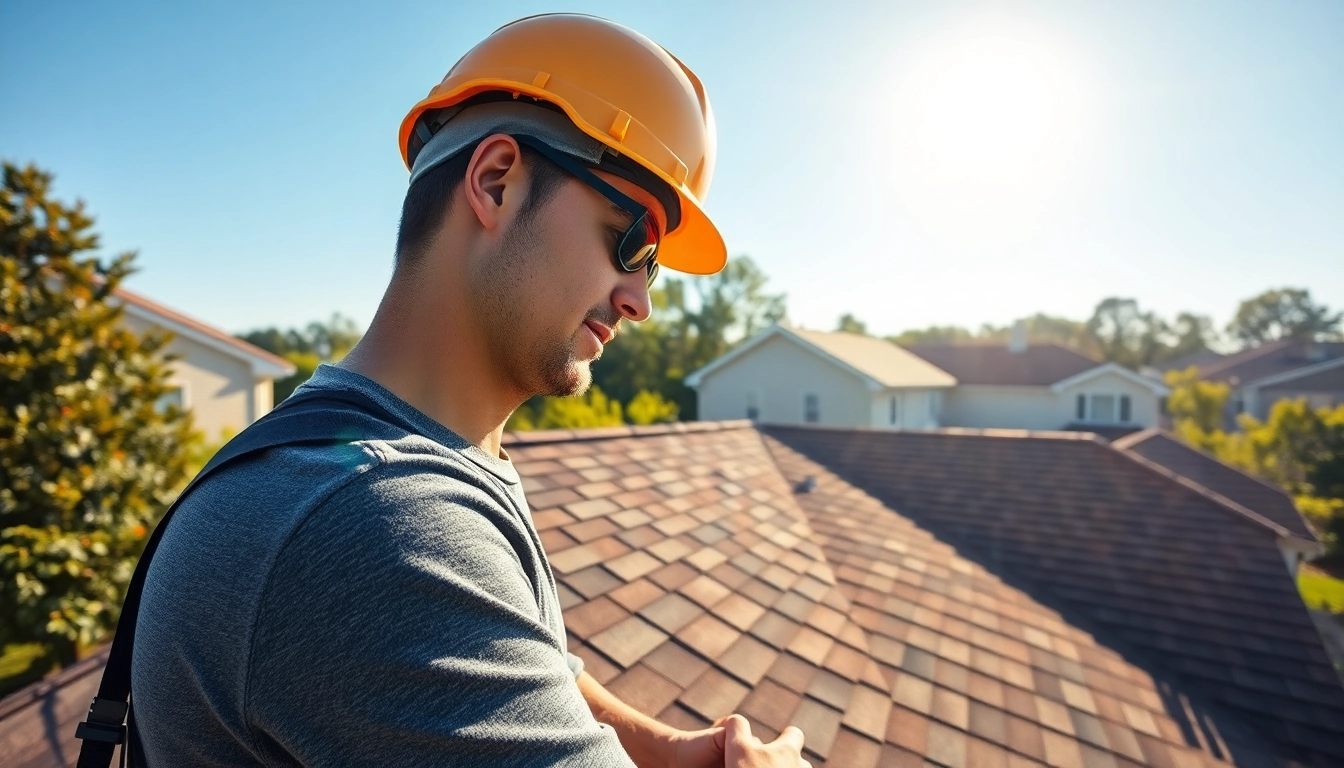
When it comes to selecting the right roofing for your home in South jersey, homeowners face numerous options that vary in style, material, and longevity. Each roofing type offers different benefits and drawbacks, making it essential to assess what best suits your specific needs. This article will provide you with comprehensive information on available roofing materials, their advantages and disadvantages, and tips on choosing the right roof for your home.
Types of Roofing Materials Available
In South Jersey, the climate can be quite variable, which influences the choice of roofing materials. Here are some common options:
- Asphalt Shingles: Popular for their cost-effectiveness and variety of styles. They typically last 15-30 years and are relatively easy to install.
- Metal Roofing: Known for its durability and energy efficiency. Metal roofs can last up to 50 years and are excellent at shedding snow, making them ideal for snowy winters.
- Slate Roofing: A premium option that provides longevity (up to 100 years) and unparalleled aesthetics. However, it can be very expensive and requires strong structural support.
- Tile Roofing: Similar to slate, tile roofs are durable and provide a unique look, but they may require additional reinforcement due to their weight.
- Wood Shingles/Shakes: These offer a natural aesthetic but require more maintenance to prevent rot and pest issues and typically last about 30 years.
Evaluating Pros and Cons
Each roofing material comes with its pros and cons. Understanding these factors can help you make an informed choice:
- Asphalt Shingles: Pros include low upfront costs and availability, while cons highlight a shorter lifespan and susceptibility to wind damage.
- Metal Roofing: Pros include excellent longevity and fire resistance, but cons may involve higher initial costs and noise during rain.
- Slate Roofing: Pros are its unmatched durability and visual appeal, but cons include high costs and the need for specialized installation.
- Tile Roofing: Pros include energy efficiency and a long lifespan, while cons include installation difficulties and higher costs.
- Wood Shingles/Shakes: Pros offer great aesthetics, but cons are a need for regular maintenance and susceptibility to weather damage.
Choosing the Right Option for Your Home
Selecting the ideal roofing material comes down to balancing your budget, aesthetic preferences, and the specific weather conditions of South Jersey. For budget-conscious homeowners, asphalt shingles might be the best option. If you’re looking for durability and weather resistance, consider metal roofing. It’s also crucial to consult with a professional roofing contractor who can evaluate your home’s structure and provide recommendations tailored to your needs.
Maintenance Tips for Roof Longevity
Regardless of the roofing material you choose, regular maintenance is essential for longevity and performance. A well-maintained roof can last significantly longer than one that is neglected. Implement the following maintenance strategies:
Regular Inspections and Repairs
Conducting regular inspections is critical. At least twice a year, preferably in spring and fall, inspect your roof for signs of damage or wear. Look for cracked shingles, rusted metal, or any other damage that can lead to leaks. If you spot issues, address them immediately to prevent more extensive and costly repairs down the line.
Seasonal Maintenance Recommendations
Different seasons call for different maintenance tasks:
- Spring: Clear debris such as leaves and branches. Inspect for any damage caused by winter storms.
- Summer: Ensure ventilation is adequate to prevent heat buildup, which can damage shingles.
- Fall: Remove fallen leaves and branches before winter. Check gutters for clogs.
- Winter: Remove snow buildup to prevent ice dams, particularly in valleys and low-slope areas.
Signs That Your Roof Needs Attention
Be alert for signs that might indicate your roof requires repair or replacement:
- Missing or broken shingles.
- Signs of water damage inside your home.
- Granules in gutters or downspouts.
- Mold or mildew growth.
- Visible sagging in rooflines.
The Importance of Professional Installation
Choosing the right roofing material is only part of the equation. Ensuring proper installation is equally important to guarantee your roof’s performance and durability. Mistakes during installation can lead to significant issues down the road.
Benefits of Hiring Experts in South Jersey
There are several advantages to hiring professional roofing contractors:
- Expertise: Professionals have the training and experience necessary to install roofs correctly, minimizing mistakes.
- Warranty Protection: Most roofing companies offer guarantees on their work, giving you peace of mind.
- Safety: Roofing is dangerous work. Professionals have the right equipment and training to perform the job safely.
Common Mistakes Homeowners Make
In an attempt to save money or take on a DIY project, homeowners often commit the following errors:
- Ignoring building codes and regulations, which can lead to significant problems down the road.
- Underestimating the importance of proper ventilation, which can lead to mold and structural issues.
- Failing to remove old roofing material, which may cause unnecessary complications for the new roof.
How to Find and Vet a Roofer
Finding a reliable roofer involves some research. Follow these steps to ensure you choose the right contractor:
- Ask for recommendations from friends, family, or neighbors.
- Read online reviews and check ratings with the Better Business Bureau.
- Request quotes from multiple contractors for price and scope comparisons.
- Verify licenses and insurance to protect yourself against potential liabilities.
- Ask for references and follow up on them to gauge customer satisfaction.
Costs Associated with Roofing Projects
Cost remains a major consideration when planning your roofing project. A thorough understanding of potential expenses can help you plan accordingly.
Breaking Down Average Costs in South Jersey
The average cost of roofing in South Jersey can vary widely based on numerous factors. On average, homeowners can expect to spend between $5,000 to $10,000 depending on the material selected, roof size, and complexity of the project.
Factors Influencing Pricing
Several factors affect roofing costs:
- Material Type: Some roofing materials are more expensive than others, not just in terms of initial costs but also in maintenance.
- Roof Size: Larger roofs require more material and labor, impacting overall costs.
- Labor Costs: Professional experience and local labor rates will affect the overall expense.
- Roof Complexity: Roofs with multiple slopes, valleys, or features will typically incur higher costs.
Budgeting for Your Roofing Project
To set an effective budget for your roof replacement, consider the following recommendations:
- Determine the roofing material you prefer.
- Get detailed estimates from at least three contractors to ensure competitive pricing.
- Allocate 10-15% of your budget for unexpected expenses that may arise during the project.
- Consider financing options if costs exceed your budget.
FAQs About Roofing Services in South Jersey
What are the most common roofing materials?
The most common roofing materials include asphalt shingles, metal roofing, tile, slate, and wood shingles. Each has its advantages and cost considerations.
How often should I inspect my roof?
It’s advisable to inspect your roof twice a year, ideally in spring and fall, to catch any damage or wear before it worsens.
What signs indicate my roof needs repair?
Check for cracked shingles, leaks inside the home, granules in gutters, and visible sagging. These can all indicate the need for repairs.
How can I prepare for a roofing project?
Before starting, clear the area around your home of debris, remove fragile items from the vicinity, and ensure access for contractors and equipment.
What is the average lifespan of a roof?
The lifespan of a roof largely depends on the material. Asphalt shingles typically last 20-30 years, while metal roofs can last up to 50 years or more.