Understanding Drought-tolerant Landscaping Bay Area
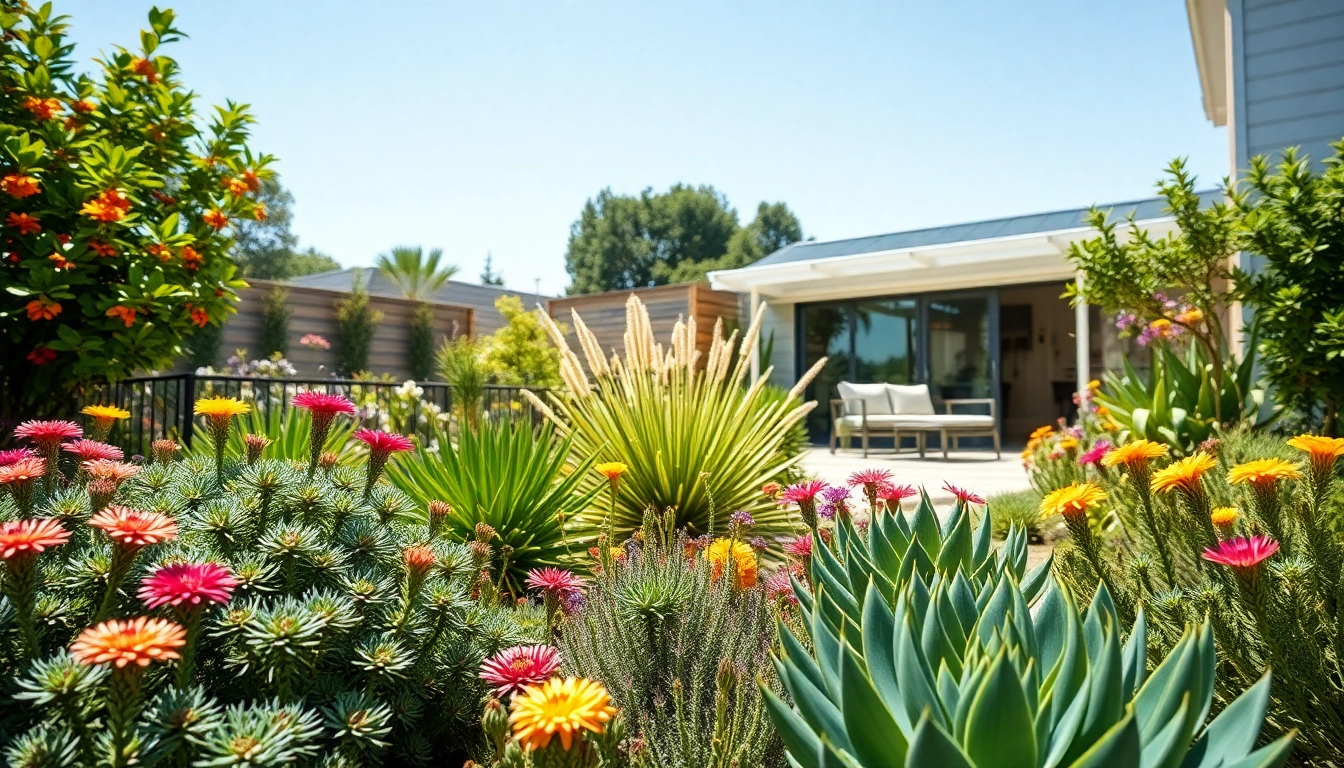
In the ever-evolving field of landscaping, the concept of drought-tolerant landscaping is gaining significant attention, particularly in regions like the Bay Area, where water conservation is becoming increasingly essential. As climate change alters weather patterns and impacts water supply, adapting our landscapes to be water-efficient is critical. Drought-tolerant landscaping not only conserves water but also enhances the aesthetic appeal of gardens and public spaces, making it a viable option for homeowners and businesses alike. This approach is characterized by the use of native, drought-resistant plants that flourish in the local climate while requiring minimal water. If you’re considering transforming your outdoor space, exploring Drought-tolerant landscaping Bay Area can provide sustainable solutions that fit seamlessly into our unique environment.
What is Drought-tolerant Landscaping?
Drought-tolerant landscaping, often referred to as xeriscaping, is a landscaping method that emphasizes the cultivation of native plants, efficient irrigation techniques, and a design that reduces or eliminates the need for supplemental watering. This concept is not only about selecting plants that survive with minimal water; it’s also about understanding the local ecosystem and using landscaping to complement it. By rethinking garden designs, homeowners can create sustainable spaces that thrive on natural rainfall.
Benefits of Drought-tolerant Landscaping Bay Area
The Bay Area boasts a unique climate characterized by wet winters and dry summers, making drought-tolerant landscaping particularly beneficial. Here are some of the primary advantages:
- Water Conservation: Drought-tolerant gardens can significantly reduce household water consumption, a vital benefit in a region prone to drought.
- Cost Savings: Lower water bills can lead to considerable savings over time, along with reduced maintenance costs since these landscapes typically require less upkeep.
- Environmental Impact: By using native plants, homeowners can support local wildlife, including pollinators, and contribute to biodiversity.
- Aesthetic Appeal: Drought-tolerant gardens can be designed to be just as beautiful as traditional gardens, incorporating a variety of textures, colors, and seasonal interest.
- Soil Health: These types of landscapes encourage healthy soil through the use of mulch and other organic materials, which can improve the garden’s overall resilience.
Key Native Plants for Sustainable Gardens
One of the most crucial aspects of drought-tolerant landscaping is the choice of plants. The Bay Area is home to a variety of native plants that thrive with little water. Here are some examples:
- California Poppy (Eschscholzia californica): This vibrant flower requires little water and produces stunning blooms that attract pollinators.
- Manzanita (Arctostaphylos spp.): Known for its beautiful reddish bark, this shrub thrives in dry conditions and provides habitat for wildlife.
- Bee’s Bliss Sage (Salvia columbarium): With its fragrant foliage and purple flowers, this plant is a magnet for bees and other beneficial insects.
- Coastal Strawberry (Fragaria chiloensis): This hardy ground cover is drought-tolerant and produces delicious berries!
- California Lilac (Ceanothus spp.): This evergreen shrub is celebrated for its stunning blue flowers and drought resistance.
Designing Your Drought-tolerant Landscape
Designing a drought-tolerant landscape involves careful planning and a thoughtful approach that considers aesthetics, functionality, and ecological balance. Here’s how you can go about designing your outdoor space:
Planning Your Garden Layout
The layout of your garden is a critical step in successful drought-tolerant landscaping. Start by assessing your site conditions, including sun and shade patterns, soil quality, and drainage. Consider implementing the following elements in your design:
- Zones: Divide your landscape into zones based on water needs. Group thirsty plants together and place drought-tolerant plants in areas with less water availability.
- Pathways and Borders: Define your garden with rock or mulch pathways that allow for easy navigation while reducing the water required for plant growth in walking areas.
- Incorporate Focal Points: Use larger rocks, sculptures, or unique plant formations to create visual interest and an inviting atmosphere.
Choosing the Right Plants for Your Environment
Selecting the appropriate plants is vital for ensuring a successful drought-tolerant landscape. Begin by researching native plants that are particularly suited to the microclimates of the Bay Area. Factors such as soil type, exposure to sunlight, and seasonal rainfall patterns will influence your choices. Moreover, layering plants of varying heights can create depth and interest while ensuring that each plant has sufficient resources.
Incorporating Hardscaping Elements
Hardscaping plays a crucial role in drought-tolerant landscaping. The use of non-plant elements such as stones, gravel, and pavers can reduce water usage by minimizing the areas that need to be watered. Here are a few hardscaping ideas to enhance your landscape:
- Rock Gardens: Use various sizes and types of rocks to create a natural-looking garden that requires minimal water.
- Dry River Beds: Incorporate dry river beds to redirect rainwater and manage drainage while providing an aesthetically pleasing feature.
- Pergolas and Arbors: Adding shade structures can help create microclimates within your garden, permitting you to plant a wider variety of species.
Maintenance Tips for Sustainable Landscapes
Once your drought-tolerant landscape is established, regular maintenance is essential to ensure its longevity and performance. Below are some useful maintenance tips:
Watering Efficiently in the Bay Area
Even drought-tolerant plants need water, especially during establishment. However, efficient watering is key. Utilize techniques such as:
- Deep Watering: Water deeply and less frequently to encourage deep rooting.
- Drip Irrigation: Consider installing a drip irrigation system to deliver water directly to the plant’s root zone, reducing evaporation.
- Using Soaker Hoses: Soaker hoses can efficiently convey water to garden beds with minimal waste.
Mulching Benefits and Best Practices
Mulching is an effective way to support drought-tolerant landscapes. It conserves moisture, suppresses weed growth, and improves soil health. Consider these practices:
- Types of Mulch: Organic mulches (like wood chips or straw) enrich the soil as they break down, while inorganic mulches (like gravel) prevent erosion.
- Installation: Apply a 2- to 4-inch layer of mulch around plants, ensuring that the mulch doesn’t touch the base of the stems to avoid rot.
Seasonal Care for Drought-tolerant Gardens
Your drought-tolerant garden will change with the seasons, and adjusting care practices accordingly is essential. Here’s what to focus on:
- Spring: This is the best time to plant new additions. Monitor for pests and diseases and perform necessary pruning.
- Summer: Expect higher maintenance needs regarding watering, particularly for newly planted areas.
- Fall: Assess your landscape’s performance and make adjustments as necessary. Fall is also a great time for planting perennials and bulbs.
- Winter: Clean up dead plant material to prevent pests and prepare your garden for the growing season.
Common Mistakes to Avoid
While designing and maintaining a drought-tolerant landscape can be rewarding, it is essential to avoid common pitfalls that can impede success.
Overwatering Your Garden
One of the most common mistakes in drought-tolerant landscaping is overwatering. Many people believe that because plants are drought-tolerant, they should not be watered at all. In reality, proper irrigation during establishment is crucial, but once established, plants require much less water. Use moisture meters to determine when plants need watering.
Neglecting Soil Quality
The health of your soil significantly impacts the success of drought-tolerant landscaping. Never ignore soil quality; investing in soil tests can ensure nutrient levels are adequate and help in amending your soil properly.
Choosing Non-native Plants
Opting for non-native plants can lead to increased water needs and potential pest issues. Always prioritize native plants that are adapted to local climate conditions. These plants will require less care and provide better ecosystem services.
FAQs about Drought-tolerant Landscaping Bay Area
What is the best time to plant drought-tolerant plants?
The best time to plant drought-tolerant plants is in early spring or fall when temperatures are moderate, allowing them to establish roots before the heat of summer.
How often do I need to water my drought-tolerant garden?
During the establishment phase, water once or twice a week. After that, water less frequently, depending on rainfall and the specific plants used.
Can I mix drought-tolerant plants with regular plants?
While it’s possible to mix, it’s best to group plants by their water needs to ensure that all thrive without overwatering or underwatering.
What are the costs associated with converting to a drought-tolerant landscape?
Costs for converting can vary based on design complexity and plant choice but typically involve initial investment in plants and hardscapes, potentially saving money long-term on water bills.
Are drought-tolerant plants more resistant to pests?
Generally, drought-tolerant plants have fewer pest issues due to their adaptability to local conditions, but regular checks for pests are still necessary.